

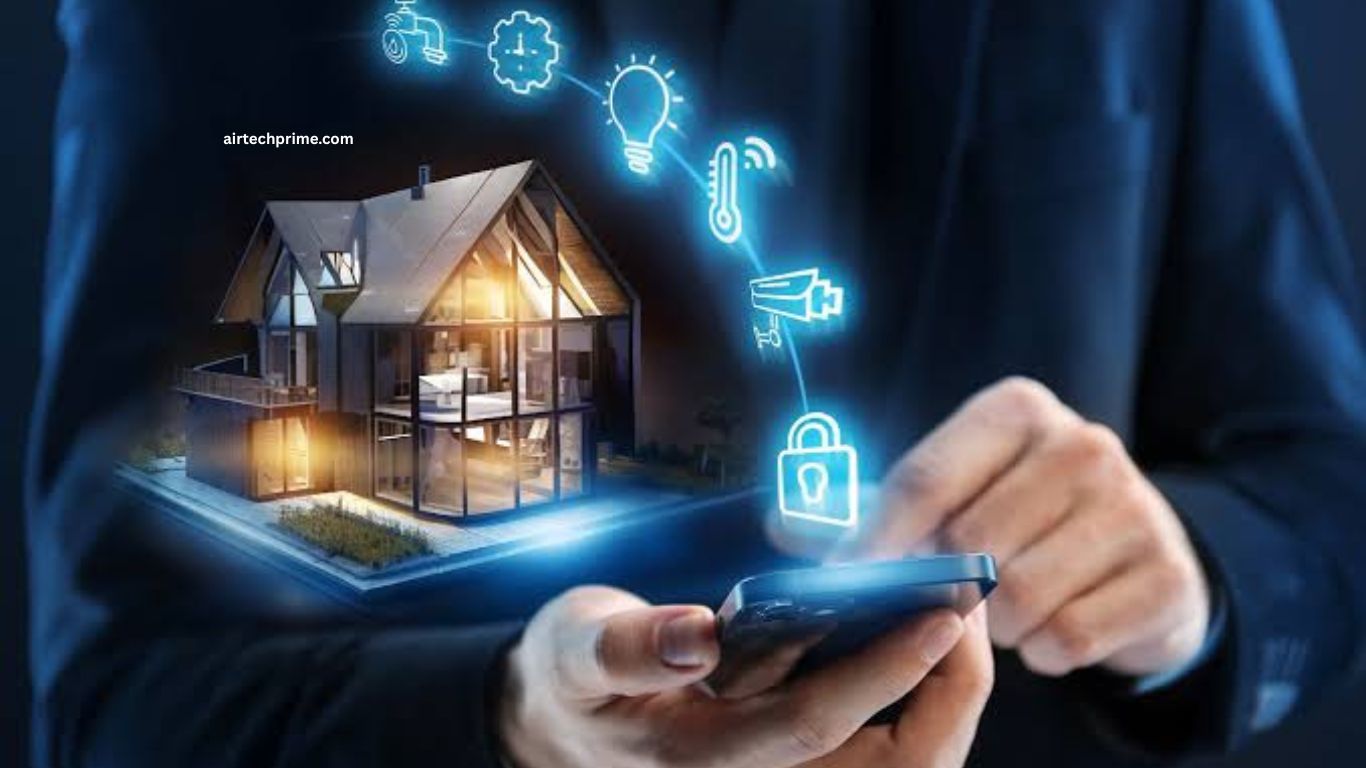
Smart technology continues to transform the way people live and work. From intelligent home automation to advanced business systems, modern technology creates safer, faster, and more efficient environments. Whether managing household tasks or improving workplace productivity, smart solutions provide convenience while reducing time and operational costs.
Businesses and homeowners increasingly rely on connected devices, artificial intelligence, and cloud-based platforms to simplify daily operations. As technology evolves, smart solutions become more affordable and accessible, making them valuable investments for anyone seeking greater comfort, security, and efficiency.
Read More: Future Technologies That Could Change the World
Understanding Smart Technology Solutions
Smart technology solutions combine connected devices, intelligent software, and automated systems to perform tasks with minimal manual effort. These technologies communicate through the internet or local networks, allowing users to monitor, control, and optimize operations remotely.
Homes benefit from smart lighting, climate control, security cameras, and voice assistants, while businesses use automated inventory systems, smart surveillance, digital communication platforms, and data analytics to improve performance.
Smart Home Technology Creates Comfortable Living
Modern homes have become more intelligent than ever before. Smart thermostats automatically adjust indoor temperatures based on user preferences and weather conditions, reducing energy consumption while maintaining comfort.
Smart lighting systems allow homeowners to control brightness, schedules, and colors using mobile applications or voice commands. Intelligent security systems featuring cameras, motion sensors, and smart locks provide continuous monitoring and instant notifications, helping families feel more secure whether at home or away.
Voice-controlled assistants also simplify everyday activities by managing calendars, controlling appliances, playing music, and answering questions instantly.
Business Automation Improves Productivity
Businesses benefit greatly from smart technology by reducing repetitive tasks and improving operational efficiency. Automated workflows handle scheduling, invoicing, customer communication, and inventory management with greater accuracy than manual processes.
Cloud-based collaboration tools enable employees to work together from different locations without interruptions. Artificial intelligence assists customer support through chatbots, while predictive analytics helps companies make informed decisions using real-time business data.
Automation reduces human error, saves valuable time, and allows employees to focus on strategic responsibilities instead of routine administrative work.
Smart Security Protects Valuable Assets
Security remains one of the strongest reasons people adopt smart technology. Advanced surveillance systems include facial recognition, motion detection, remote monitoring, and instant alerts whenever unusual activity occurs.
Businesses protect offices, warehouses, and customer information through intelligent access control systems and cybersecurity solutions. Homeowners benefit from connected alarm systems that provide peace of mind regardless of location.
Smart security technologies continue evolving, offering faster responses and greater protection against physical and digital threats.
Energy Efficiency Through Intelligent Systems
Energy management has become an important advantage of smart technology. Smart devices automatically optimize electricity usage based on occupancy and daily routines, reducing unnecessary power consumption.
Businesses lower operational expenses by monitoring lighting, heating, cooling, and equipment usage through centralized management systems. Homes achieve similar benefits with intelligent appliances designed to consume less energy while maintaining excellent performance. These improvements support environmental sustainability while lowering monthly utility costs.
Artificial Intelligence Powers Smarter Decisions
Artificial intelligence plays a central role in modern smart technology. AI analyzes large amounts of information quickly, identifies patterns, and provides valuable recommendations that improve decision-making.
Businesses use AI to forecast demand, personalize customer experiences, detect fraud, and optimize supply chains. Homeowners enjoy personalized entertainment recommendations, intelligent climate control, and automated routines that adapt to daily habits. As AI capabilities continue expanding, smart technology becomes increasingly responsive and efficient.
Internet of Things Connects Every Device
The Internet of Things connects multiple devices into one intelligent ecosystem. Smart sensors, appliances, cameras, lighting systems, and industrial equipment communicate seamlessly to share information and automate tasks.
For businesses, IoT enables predictive maintenance, equipment monitoring, and real-time operational insights. For homes, connected devices create personalized living environments where lighting, entertainment, security, and appliances work together automatically. Greater connectivity improves convenience while delivering better control over everyday operations.
Choosing the Right Smart Technology
Selecting suitable smart technology depends on individual requirements, budget, and future growth plans. Compatibility between devices, cybersecurity protection, software updates, and ease of use should remain top priorities during the purchasing process.
Businesses should evaluate scalability and integration with existing systems before investing. Homeowners should focus on reliable products that simplify daily life without creating unnecessary complexity. Careful planning ensures long-term value and better overall performance.
Future Trends in Smart Technology
Emerging technologies continue reshaping homes and businesses. Faster wireless networks, advanced artificial intelligence, edge computing, robotics, and improved automation will create even smarter environments in the coming years.
Future smart systems will become more personalized, energy-efficient, and secure while requiring less manual management. Continuous innovation will help organizations and households adapt quickly to changing needs and technological advancements.
Frequently Asked Questions
What is smart technology?
Smart technology uses connected devices and automation to improve convenience, efficiency, and control.
How does smart technology help businesses?
It automates tasks, improves productivity, reduces costs, and supports better decision-making.
Can smart home devices save energy?
Yes, smart thermostats, lighting, and appliances optimize energy use and lower utility bills.
Is smart technology secure?
Most smart systems are secure when protected with strong passwords, regular updates, and secure networks.
What is the Internet of Things (IoT)?
IoT is a network of connected devices that communicate and share data to automate tasks.
Is smart technology worth the investment?
Yes, it offers long-term benefits through improved efficiency, enhanced security, and reduced operating costs.
Conclusion
Smart technology solutions have become essential for creating efficient, secure, and connected homes and businesses. Intelligent automation, artificial intelligence, cloud computing, and connected devices simplify everyday tasks while improving productivity and reducing costs. As innovation continues accelerating, investing in smart technology offers long-term benefits that enhance convenience, strengthen security, and prepare both homes and businesses for a more connected future.
