

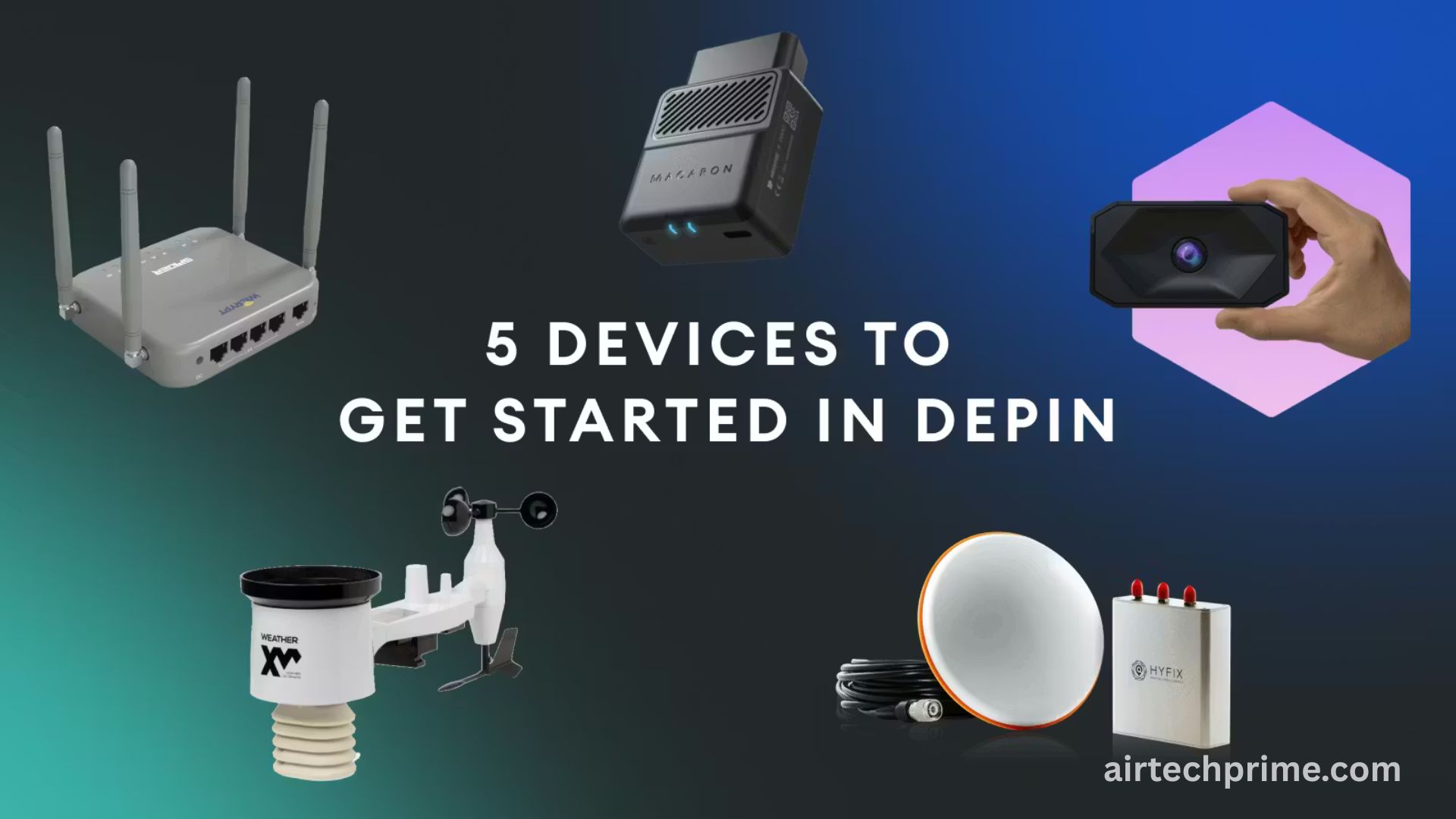
The world of decentralized technology is evolving rapidly, and one of the most exciting developments in this space is DePIN, or Decentralized Physical Infrastructure Networks. In 2026, DePIN is becoming a major trend as users are now able to participate in real-world infrastructure systems using simple gadgets from their homes. These devices allow individuals to contribute computing power, storage, connectivity, and data services while earning rewards in return, making decentralized mining more accessible than ever before.
Unlike traditional crypto mining, which often requires expensive hardware and high electricity consumption, DePIN gadgets are designed to be lightweight, efficient, and user-friendly. This shift is opening new opportunities for everyday users who want to earn passive income through blockchain-based systems without needing advanced technical knowledge. As global demand for decentralized infrastructure grows, these gadgets are becoming an essential part of the Web3 economy, reshaping how people interact with digital networks and physical devices.
The Rise of DePIN Technology in 2026
DePIN technology has gained massive attention in recent years because it connects blockchain systems with real-world infrastructure. Instead of relying on centralized companies to manage networks, DePIN allows individuals to contribute resources such as bandwidth, storage, and computing power. In return, users are rewarded with digital tokens, creating a decentralized ecosystem that is both scalable and community-driven.
In 2026, this technology is no longer limited to early adopters or tech experts. It has entered the mainstream, with companies developing easy-to-use gadgets that anyone can plug in and operate at home. These devices are designed to run in the background, requiring minimal maintenance while continuously contributing to decentralized networks. This simplicity is a major reason why DePIN is becoming one of the fastest-growing sectors in the blockchain industry.
Why DePIN Mining is Becoming Popular at Home
Home-based DePIN mining is gaining popularity because it eliminates many of the barriers associated with traditional crypto mining. Users no longer need expensive rigs, complex configurations, or high electricity costs. Instead, they can simply connect a device to their internet and start contributing to decentralized networks almost instantly.
Another key reason for its popularity is passive income potential. Many users are attracted to the idea of earning rewards by sharing unused resources such as internet bandwidth or storage space. This model transforms everyday devices into income-generating tools, making DePIN mining an appealing option for students, freelancers, and tech enthusiasts looking for alternative earning opportunities in the digital economy.
Smart Bandwidth Sharing Routers
One of the most important DePIN gadgets in 2026 is the smart bandwidth sharing router. These devices allow users to share unused internet bandwidth with decentralized networks in exchange for rewards. They operate silently in the background and are designed to optimize network traffic without affecting the user’s regular internet usage.
These routers are becoming popular because they require almost no technical setup. Users simply connect them to their home internet, and the device automatically begins contributing to DePIN networks. This makes them one of the easiest entry points for beginners who want to start mining from home.
Decentralized Storage Nodes
Decentralized storage nodes are another essential component of the DePIN ecosystem. These gadgets allow users to rent out unused storage space from their devices to decentralized cloud networks. In return, they receive tokens based on the amount of data they store and maintain.
In 2026, these devices have become highly efficient and compact, making them suitable for home use. They are widely used by individuals who want to monetize unused hard drive space without affecting their personal data or device performance.
Mini Edge Computing Devices
Mini edge computing devices are powerful yet compact machines designed to process data locally for decentralized networks. They play a key role in reducing latency and improving network performance by handling computing tasks closer to the source of data.
These gadgets are becoming increasingly important in DePIN systems because they support real-time applications such as AI processing, IoT networks, and decentralized applications. Users who operate these devices at home contribute to the overall efficiency of Web3 infrastructure while earning rewards for their computing power.
IoT Sensor Mining Devices
DePIN gadgets are changing how people mine and earn from home by using decentralized networks and simple plug-and-play devices.
• Smart bandwidth sharing devices for passive online earnings
• Decentralized storage nodes to rent unused space safely
• Mini computing devices for edge processing and AI tasks
• IoT sensors that collect real-world data for blockchain networks
DePIN technology is becoming popular because it allows users to earn rewards easily from home while supporting global decentralized infrastructure systems in 2026.
Solar-Powered DePIN Nodes
Sustainability is becoming a major focus in the tech industry, and solar-powered DePIN nodes are an excellent example of eco-friendly mining devices. These gadgets operate using renewable energy and contribute computing or storage resources to decentralized networks without increasing electricity bills.
They are especially popular in regions with high sunlight exposure, as they allow users to participate in DePIN mining while reducing environmental impact. This makes them a key innovation in the future of sustainable blockchain infrastructure.
Portable Mining Hubsompact devices designed for flexibility and mobility. They allow users to participate in multiple DePIN networks simultaneously, including storage, bandwidth, and computing projects.
These devices are ideal for users who want to diversify their mining activities without investing in multiple machines. Their portability also makes them suitable for users who travel frequently but still want to maintain passive income streams through decentralized systems.
Smart Home Integration Nodes
Smart home integration nodes connect DePIN systems with everyday household devices. These gadgets allow smart appliances to contribute data or computing power to decentralized networks, turning entire homes into active participants in the Web3 ecosystem.
In 2026, these systems are becoming more advanced, enabling seamless integration between IoT devices and blockchain networks. This creates a fully connected environment where every smart device contributes to decentralized infrastructure.
AI Processing Micro Nodes
AI processing micro nodes are small but powerful devices designed to handle artificial intelligence workloads in decentralized networks. They are used for tasks such as model training, data analysis, and machine learning processing.
These gadgets are highly valuable in DePIN ecosystems because they support the growing demand for decentralized AI infrastructure. Users who operate them contribute to advanced computing tasks while earning rewards based on processing power.
Network Validation Devices
Network validation devices play a crucial role in maintaining the security and integrity of decentralized systems. These gadgets verify transactions, validate network activity, and ensure data accuracy across DePIN platforms.
They are becoming increasingly important as decentralized networks expand, requiring more participants to maintain trust and stability. Users who run these devices help secure blockchain ecosystems while receiving incentives for their contribution.
Hybrid Multi-Function DePIN Stations
Hybrid DePIN stations combine multiple functions such as storage, computing, and bandwidth sharing into a single device. These all-in-one systems are designed for maximum efficiency and are ideal for users who want to participate in multiple DePIN networks at once.
In 2026, these hybrid stations are becoming the most advanced and user-friendly option for home-based mining. They offer flexibility, scalability, and higher earning potential compared to single-function devices, making them a top choice for serious DePIN participants.
Read More: Top 5 iPhone-Compatible Gadgets Under $30 Worth Buying
The Future of DePIN Mining at Home
The future of DePIN mining is expected to grow rapidly as more users adopt decentralized technologies. With increasing demand for distributed infrastructure, these gadgets will play a key role in powering Web3 applications, AI systems, and global data networks. Home-based participation will become more common as devices become cheaper, more efficient, and easier to use.
As innovation continues, DePIN technology will likely expand beyond mining into everyday digital infrastructure management. This will create new opportunities for users to earn rewards while contributing to global decentralized systems, making it one of the most important trends in the future of blockchain and digital economy.
FAQs (Frequently Asked Questions)
What is DePIN in simple words?
DePIN stands for Decentralized Physical Infrastructure Networks that let users earn rewards by sharing real-world resources like storage, bandwidth, and computing power through blockchain systems.
Can I really mine DePIN from home?
Yes, DePIN mining can be done at home using simple plug-and-play devices that automatically connect and contribute to decentralized networks.
Do I need expensive hardware for DePIN mining?
No, most DePIN gadgets are affordable and work with basic internet setups, making them much cheaper than traditional crypto mining rigs.
Is DePIN mining safe to use?
Yes, it is generally safe when using trusted platforms and verified devices, but users should avoid unreliable or scam projects.
How do DePIN gadgets earn money?
They earn rewards by sharing unused resources like bandwidth, storage, or computing power, which are recorded on blockchain networks and paid in tokens.
Do DePIN devices use a lot of electricity?
No, most DePIN devices are energy-efficient and consume very low power, with some even using renewable energy sources like solar power.
Is DePIN better than traditional crypto mining?
Yes, DePIN is more accessible, eco-friendly, and requires less investment and technical knowledge compared to traditional mining systems.
What is the future of DePIN technology?
DePIN is expected to grow rapidly and play a major role in Web3, AI, and decentralized infrastructure systems worldwide.
Conclusion:
DePIN gadgets are revolutionizing the concept of mining by making it more accessible, affordable, and user-friendly for everyday users around the world. In 2026, these devices are enabling individuals to participate in decentralized infrastructure networks directly from their homes without requiring expensive hardware or advanced technical knowledge. From bandwidth sharing routers to AI micro nodes, each device plays a vital role in supporting the rapidly growing Web3 ecosystem and strengthening decentralized digital systems.
As adoption continues to increase, DePIN is becoming a major part of the global digital economy. It is not only changing how people earn passive income but also redefining how modern infrastructure is built, managed, and maintained. The rise of home-based DePIN mining marks a major shift toward a more decentralized, efficient, and community-driven technological future worldwide.
