

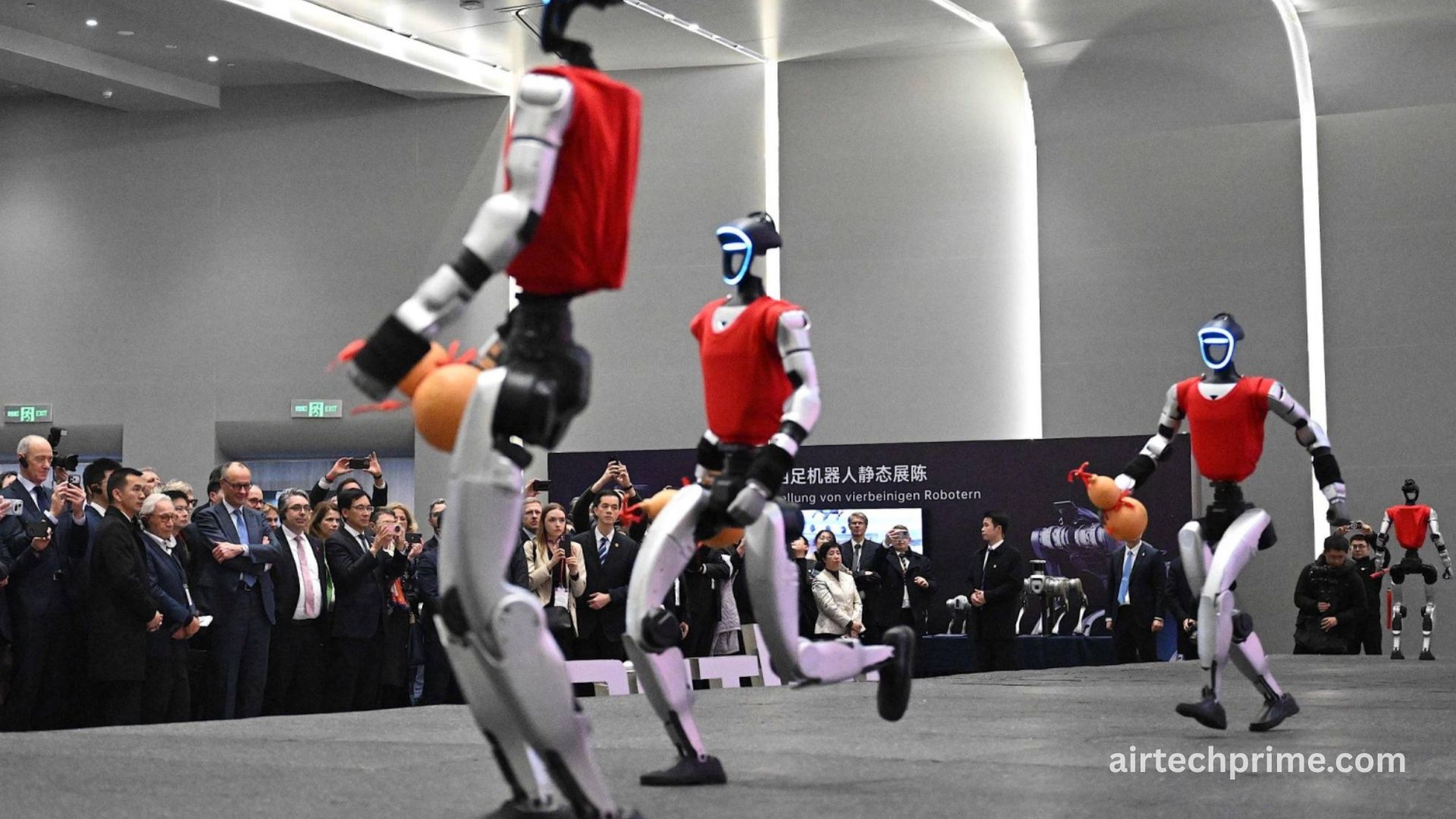
Japan is widely recognized as one of the most technologically advanced countries in the world, particularly in robotics and automation. However, contrary to popular belief, robots in Japan are not primarily designed to replace human workers. Instead, they are increasingly being used to fill labor gaps in roles that are difficult to staff, physically demanding, or considered undesirable by human workers. This shift is reshaping how society views automation and its role in the workforce.
With an aging population and declining birth rates, Japan faces a significant labor shortage across multiple industries. From elderly care and agriculture to cleaning and logistics, many essential jobs remain unfilled. In response, robotic solutions are being deployed to support rather than replace human workers. This article explores how robots are being used in Japan, the industries benefiting most, and what this means for the future of work globally.
Japan’s Demographic Challenge and Labor Shortage
Japan’s population is rapidly aging, with a large percentage of citizens over the age of 65. At the same time, birth rates remain low, resulting in a shrinking workforce.
This demographic imbalance has created urgent labor shortages in essential sectors. Many industries struggle to recruit enough workers to maintain operations, leading to increased reliance on automation and robotics.
Why Robots Are Becoming Essential in Japan
Robots in Japan are not a replacement strategy but a necessity driven by workforce shortages. Instead of eliminating jobs, they are filling roles that humans are unable or unwilling to perform.
These roles often include repetitive, physically demanding, or low-paying tasks. By introducing robots into these areas, businesses can maintain productivity while reducing strain on human employees.
Robots in Elderly Care Facilities
One of the most important applications of robotics in Japan is elderly care. With a growing elderly population, care facilities face severe staffing shortages.
Robots assist with lifting patients, monitoring health conditions, and providing companionship. These machines are designed to support caregivers rather than replace them, improving efficiency and reducing physical strain on human staff.
Agricultural Automation and Farming Support
Agriculture is another sector heavily impacted by labor shortages. Many rural areas in Japan struggle to find workers willing to engage in physically demanding farm work.
Robots are now being used for planting, harvesting, and monitoring crops. Automated systems help improve productivity while allowing farmers to focus on management and decision-making tasks.
Cleaning and Maintenance Jobs
Cleaning and maintenance roles are often considered undesirable due to their repetitive and physically demanding nature. In Japan, robots are increasingly used in offices, hotels, and public spaces to perform these tasks.
Autonomous cleaning machines help maintain hygiene standards while reducing the workload on human staff. This allows employees to focus on more complex responsibilities.
Robotics in Retail and Customer Service
Retail environments in Japan have also embraced robotic assistance. Robots are used for stocking shelves, guiding customers, and managing inventory.
In some cases, humanoid robots assist with customer interactions, providing information and basic support. These systems enhance efficiency while maintaining a smooth customer experience.
Logistics and Warehouse Automation
The logistics industry is another area where robots play a crucial role. With the rise of e-commerce, demand for efficient delivery systems has increased significantly.
Robots are used in warehouses for sorting, packaging, and transporting goods. Automated systems help speed up operations and reduce human error, improving overall supply chain efficiency.
Human-Robot Collaboration, Not Replacement
A key principle in Japan’s approach to robotics is collaboration rather than replacement. Robots are designed to work alongside humans, not eliminate their roles.
This partnership allows workers to focus on tasks that require creativity, judgment, and emotional intelligence while robots handle repetitive or physically demanding work.
Technological Innovation Driving Robotics Growth
Japan’s leadership in robotics is supported by continuous innovation in artificial intelligence, machine learning, and engineering. These advancements allow robots to perform increasingly complex tasks.
Companies are investing heavily in research and development to create smarter, more adaptable machines that can operate in diverse environments.
Economic Benefits of Robotics Adoption
The use of robots helps businesses maintain productivity despite labor shortages. This ensures that essential services continue to operate efficiently.
Additionally, automation can reduce long-term operational costs and improve workplace safety by minimizing human exposure to hazardous tasks.
Public Perception of Robots in Japan
Public attitudes toward robots in Japan are generally positive compared to many other countries. Robots are often seen as helpful tools rather than threats.
Cultural factors, including media representation and historical familiarity with robotics, have contributed to this acceptance.
Challenges and Limitations of Robotics
Despite their advantages, robots are not without limitations. High development and maintenance costs can be a barrier for small businesses.
Additionally, robots may struggle with tasks that require complex human judgment or emotional understanding. This limits their application in certain fields.
Ethical Considerations in Automation
The rise of robotics raises important ethical questions about employment, privacy, and dependency on machines.
While robots help address labor shortages, there is ongoing discussion about ensuring that human workers are not negatively impacted in the long term.
Read More: Google TurboQuant Boosts AI Memory 8x, Cuts Costs by 50%
Future of Robotics in Japan
The future of robotics in Japan looks promising, with continued expansion expected across multiple industries. As technology advances, robots will become more capable and widely used.
However, the focus is likely to remain on collaboration, ensuring that human workers and machines work together effectively.
Global Implications of Japan’s Approach
Japan’s model of using robots to fill labor shortages rather than replace workers may serve as an example for other aging societies.
Countries facing similar demographic challenges may adopt similar strategies to maintain economic stability and productivity.
FAQs (Frequently Asked Questions)
Are Japan Robots replacing jobs in Japan?
No, Japan Robots are not replacing jobs; they mainly support workers in industries facing labor shortages.
Why is Japan increasing Japan Robots usage?
Japan is increasing Japan Robots use due to an aging population and a growing shortage of workers.
Which industries use Japan Robots?
Japan Robots are used in healthcare, agriculture, logistics, retail, and manufacturing to improve efficiency.
Do Japan Robots work alongside humans?
Yes, Japan Robots work alongside humans by handling repetitive tasks while people focus on skilled work.
How do Japan Robots help in elderly care?
Japan Robots assist caregivers with lifting patients, monitoring health, and reducing physical workload.
Are Japanese people comfortable with Japan Robots?
Yes, Japan Robots are widely accepted and seen as helpful tools rather than job threats.
What tasks do Japan Robots perform in farming?
Japan Robots help with planting, harvesting, and crop monitoring to improve productivity in agriculture.
Will Japan Robots replace human jobs completely?
No, Japan Robots will not fully replace humans; they mainly support and assist human workers.
Conclusion:
Japan’s approach to robotics demonstrates that automation does not necessarily mean job loss. Instead, robots are being used to fill essential roles that humans cannot or do not want to perform. This collaborative model helps address labor shortages while maintaining productivity and efficiency. As technology continues to evolve, Japan’s experience offers valuable insights into how humans and robots can work together to shape the future of work in a balanced and sustainable way.
