

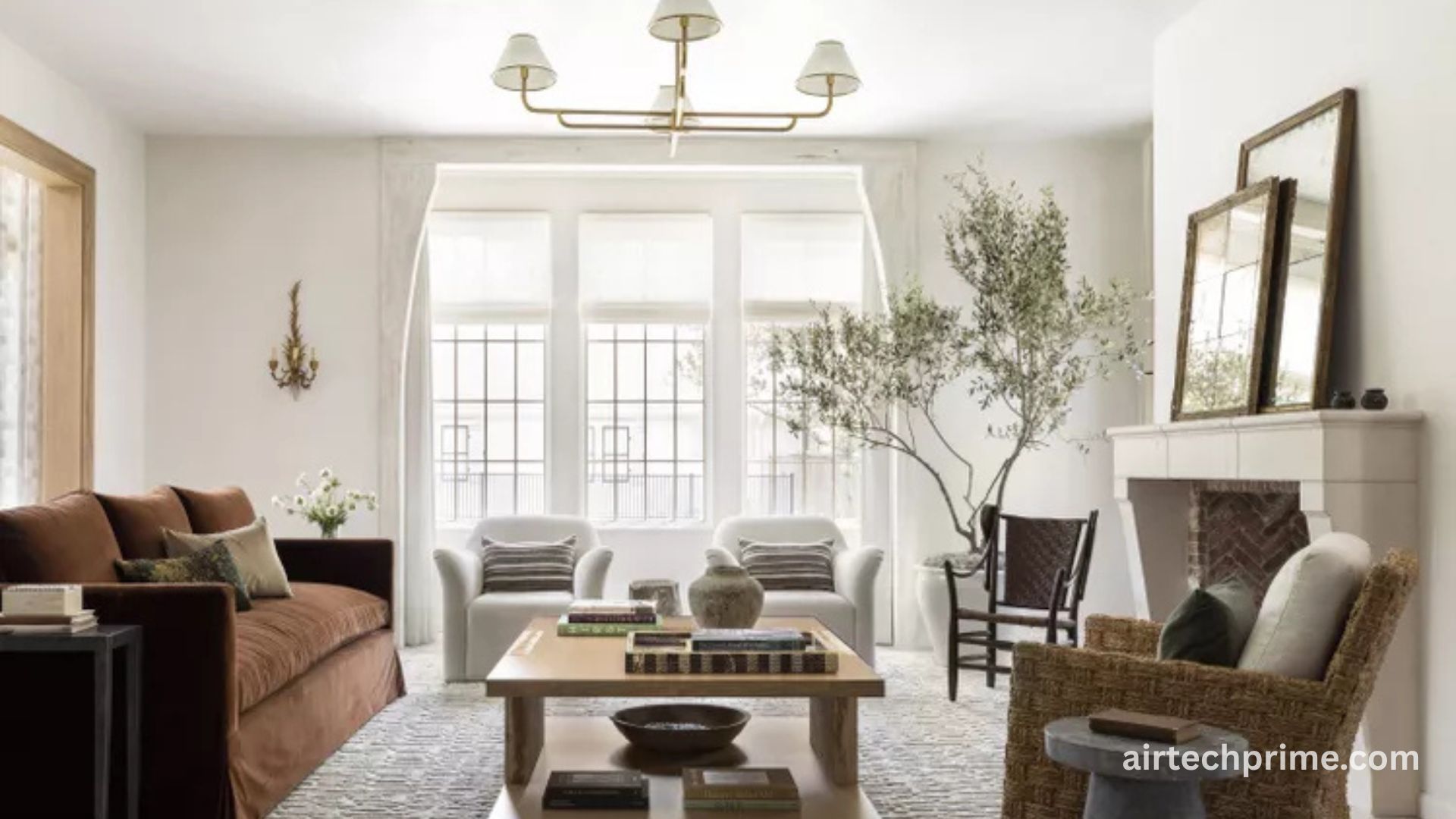
Interior design is no longer just about making a space look beautiful it is about creating comfort, functionality, and personality inside your home. In 2026, people are spending more time in their living spaces than ever before, which has made interior design an important part of daily life. A well-designed home can improve mood, increase productivity, and even reduce stress, while poor design choices can make a space feel uncomfortable and chaotic. Because of this, avoiding bad decor decisions has become a key goal for homeowners and renters alike.
Many people make design mistakes simply because they follow trends without understanding their space, lighting, or personal needs. Social media platforms and design inspiration websites often showcase beautiful interiors, but what works in one home may not work in another. This is where smart design thinking becomes important. Instead of copying trends blindly, learning a few professional design principles can help you avoid costly and disappointing mistakes. In this article, we will explore five smart design tips that can help you make better interior decisions and create a space that truly feels like home.
Understanding the Importance of Smart Interior Design Choices
Interior design is not just about decoration; it is about creating harmony between space, color, furniture, and functionality. Every item in a room plays a role in how the space feels and functions. When design choices are made without planning, the result is often a cluttered, uncomfortable, or visually unbalanced environment. This is why understanding basic design principles is essential before making any major changes to your home.
In modern homes, space optimization has become more important due to smaller living areas and urban housing trends. Poor design decisions can make even a large room feel cramped, while smart choices can make a small room feel open and welcoming. Lighting, furniture placement, and color selection all work together to influence how a room is perceived. By understanding these elements, homeowners can avoid common mistakes and create a balanced and visually appealing space.
Always Plan Your Space Before Buying Anything
One of the most common design mistakes people make is buying furniture or decor items without planning how they will fit into the space. This often leads to overcrowded rooms, mismatched furniture sizes, and wasted money. Before making any purchase, it is important to measure your space carefully and create a basic layout of how each item will be placed.
Planning also helps you understand movement flow within a room. For example, walking paths should remain clear, and furniture should not block natural movement. Many professional designers start with a floor plan before selecting any furniture or decor pieces. This ensures that every item serves a purpose and fits naturally within the space. By taking time to plan, you can avoid expensive mistakes and create a more organized and functional environment.
Choose Colors That Match Mood and Lighting
Color is one of the most powerful elements in interior design, yet it is often chosen without proper consideration. Many people pick colors based on trends rather than how they interact with lighting and space. This can lead to rooms that feel too dark, too bright, or visually overwhelming. Understanding how color works with natural and artificial light is essential for making better design decisions.
Warm colors like beige, soft yellow, and light brown create a cozy and inviting atmosphere, while cooler tones like blue and gray offer a calm and modern feel. However, the same color can look completely different depending on lighting conditions. That is why it is important to test paint samples in different lighting before making a final decision. Choosing the right color palette helps create harmony and ensures your space feels balanced and comfortable throughout the day.
Avoid Overcrowding Your Space with Furniture
Another major mistake in interior design is adding too much furniture to a single room. While it may seem like more furniture adds functionality, it often has the opposite effect. Overcrowded spaces feel smaller, more stressful, and harder to move around in. A well-designed room should have a balance between empty space and functional items.
Minimalism plays an important role in modern interior design. Instead of filling every corner with furniture, focus on selecting a few high-quality and functional pieces. Each item should have a clear purpose and contribute to the overall design. Leaving empty space is not a mistake—it is a design strategy that creates openness and improves visual flow. By reducing unnecessary furniture, you can make your space feel larger, cleaner, and more relaxing.
Focus on Lighting as a Key Design Element
Lighting is often overlooked, but it plays one of the most important roles in interior design. Poor lighting can make even the most beautiful room look dull and uninviting, while good lighting can completely transform a space. There are three main types of lighting: ambient, task, and accent lighting, and each serves a different purpose in a room.
Natural light should always be maximized whenever possible, as it enhances mood and makes spaces feel more open. Artificial lighting should be layered to create depth and flexibility. For example, ceiling lights provide general illumination, while table lamps and wall lights add warmth and focus. Using a combination of lighting sources helps create a balanced and visually appealing environment that can be adjusted based on time and mood.
Mix Style with Functionality, Not Just Trends
One of the biggest reasons people regret their design choices is following trends without considering long-term use. Trends change quickly, but your home should remain comfortable and functional for years. Instead of focusing only on what is popular, it is better to combine personal style with practical needs.
Every piece of furniture and decor should serve a purpose while also reflecting your personality. For example, a stylish chair that is uncomfortable will eventually become useless, no matter how good it looks. Similarly, decorative items should enhance the space without creating clutter. The key is to find a balance between aesthetics and usability so that your home remains both beautiful and practical over time.
Common Interior Design Mistakes to Avoid
Many people unknowingly make design mistakes that affect the overall look and feel of their home. One common issue is ignoring scale and proportion, which results in furniture that does not fit the room properly. Another mistake is using too many colors or patterns, which creates visual confusion and reduces harmony.
Another frequent problem is poor furniture placement, which can block natural light or disrupt movement flow. People also often forget about storage solutions, leading to cluttered spaces that feel messy and unorganized. Avoiding these mistakes requires planning, patience, and attention to detail.
How Professional Designers Think About Space
Professional interior designers approach every project with a clear strategy. They start by analyzing the space, understanding the client’s needs, and then creating a design plan that balances function and aesthetics. Every decision is intentional, from furniture placement to color selection.
They also focus heavily on long-term usability rather than short-term trends. This means choosing materials and designs that remain functional and attractive over time. By thinking like a designer, homeowners can improve their decision-making and avoid common mistakes that lead to dissatisfaction later.
Read More: Home Depot Budget Shopping: 5 Smart Ways to Save in 2026
The Psychology Behind Good Interior Design
Interior design also has a psychological impact on human behavior. The way a room is designed can influence mood, productivity, and even mental health. For example, cluttered spaces can increase stress levels, while organized and well-lit spaces promote calmness and focus.
Colors also play a psychological role. Soft tones create relaxation, while bold colors can increase energy and creativity. Understanding these effects allows homeowners to design spaces that support their lifestyle and emotional well-being.
FAQs (Frequently Asked Questions)
What is the most common interior design mistake people make?
The most common mistake is overcrowding rooms with too much furniture, which makes spaces feel small, cluttered, and less functional overall.
How can I choose the right color for my home?
You should always consider natural lighting, room size, and mood before selecting colors, as these factors greatly affect how the final space looks and feels.
Why is lighting important in interior design?
Lighting is important because it controls mood, highlights design features, and can make a room feel either warm, spacious, or dull depending on how it is used.
How do professional designers plan a room?
Professional designers first analyze space, then create layouts, and finally choose furniture and colors that balance functionality, comfort, and visual appeal.
Should I follow interior design trends?
You can follow trends for inspiration, but it is better to focus on long-term comfort and functionality so your space does not quickly feel outdated.
How can I make a small room look bigger?
Using light colors, minimal furniture, proper lighting, and smart space planning can visually expand a small room and make it feel more open and airy.
What is the role of furniture placement in design?
Furniture placement affects movement flow, comfort, and visual balance, so arranging items properly is essential for creating a functional and organized space.
How can I avoid bad decor decisions?
You can avoid bad decor decisions by planning ahead, understanding your space, balancing style with function, and avoiding impulse purchases based on trends alone.
Conclusion:
Avoiding bad interior design decisions is not about spending more money it is about making smarter choices. By planning your space, choosing the right colors, avoiding overcrowding, using proper lighting, and balancing style with functionality, you can create a home that is both beautiful and practical.
In 2026, interior design is becoming more personal and intentional. People are moving away from random trends and focusing more on comfort, usability, and long-term satisfaction. By following these five smart design tips, you can avoid costly mistakes and build a living space that truly reflects your personality and lifestyle.
