

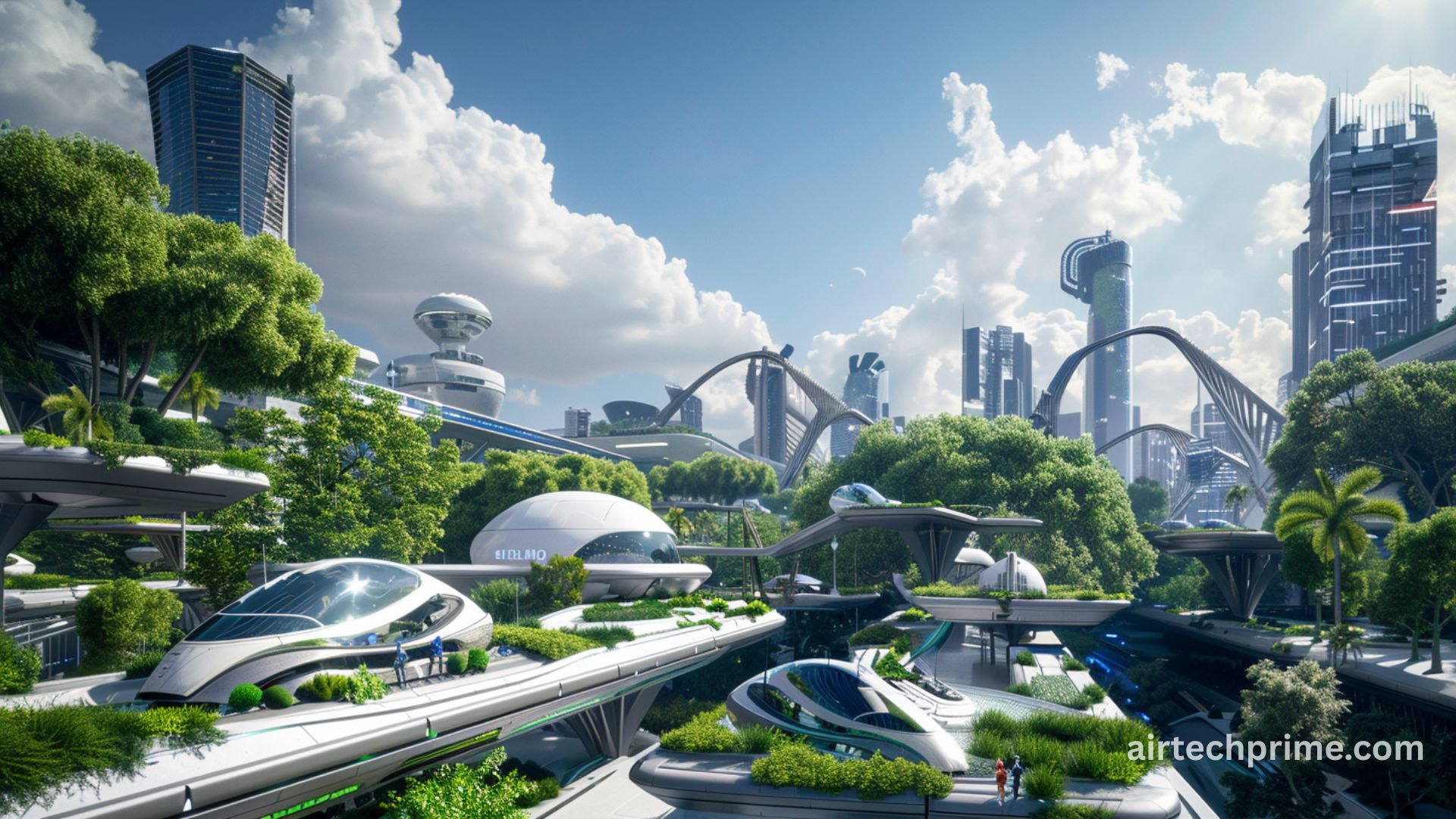
The rapid rise of smart cities is transforming urban life across the globe, integrating advanced technologies such as artificial intelligence, the Internet of Things, and big data analytics into city infrastructure. These technology-driven urban environments aim to improve efficiency, reduce costs, and enhance the quality of life for residents. However, as cities become more connected and data-driven, they also face increasing pressure to address climate change and environmental sustainability challenges. The balance between technological growth and ecological responsibility has become a critical focus for policymakers and urban planners.
Smart cities are designed to optimize energy usage, transportation systems, and public services through digital innovation. While these advancements offer significant benefits, they also introduce new challenges related to energy consumption, carbon emissions, and infrastructure resilience. As climate-related risks such as extreme weather events continue to rise, ensuring that smart cities remain sustainable and resilient has become a top global priority.
Understanding Smart Cities in the Modern Era
Smart cities represent a new model of urban development where technology is deeply integrated into infrastructure and public services. These cities rely on interconnected systems that collect and analyze data to improve decision-making and operational efficiency. From traffic management to waste disposal, smart technologies are being used to create more responsive and efficient urban environments.
At the core of smart city development is the Internet of Things (IoT), which connects devices and sensors across the city. These systems enable real-time monitoring of energy usage, air quality, water supply, and transportation networks. By leveraging this data, city administrators can make informed decisions that improve sustainability and resource management.
Role of Artificial Intelligence in Urban Management
Artificial intelligence plays a central role in the functioning of smart cities. AI systems analyze vast amounts of data generated by urban infrastructure to optimize services and predict future needs. For example, AI can be used to manage traffic flow, reduce congestion, and minimize fuel consumption in transportation networks.
In addition, AI helps improve energy efficiency by adjusting lighting, heating, and cooling systems based on real-time conditions. This not only reduces operational costs but also lowers greenhouse gas emissions. As AI technology continues to advance, its role in enhancing urban sustainability is expected to grow significantly.
Climate Change and Urban Vulnerability
Climate change poses a serious threat to urban areas, particularly smart cities that rely heavily on interconnected infrastructure. Rising temperatures, flooding, and extreme weather events can disrupt critical systems such as transportation, power grids, and communication networks.
Urban populations are increasingly vulnerable to these climate-related risks, making resilience planning essential. Smart cities must be designed to withstand environmental shocks while maintaining essential services. This requires a combination of technological innovation, infrastructure planning, and environmental management strategies.
Energy Consumption Challenges in Smart Cities
One of the major challenges facing smart cities is high energy consumption. While digital technologies improve efficiency, they also require significant amounts of electricity to operate data centers, sensors, and communication networks. This increased demand can contribute to higher carbon emissions if not managed properly.
To address this issue, many cities are investing in renewable energy sources such as solar and wind power. Energy-efficient technologies and smart grids are also being implemented to optimize electricity distribution and reduce waste. Balancing technological advancement with sustainable energy use remains a key priority.
Transportation Systems and Environmental Impact
Transportation is a critical component of smart city infrastructure. Intelligent transportation systems use data analytics and AI to manage traffic flow, reduce congestion, and improve public transit efficiency. These systems help lower fuel consumption and reduce emissions.
However, the expansion of urban transportation networks can also increase environmental pressure if not properly managed. Encouraging the use of electric vehicles, cycling infrastructure, and public transport is essential for reducing the carbon footprint of smart cities. Sustainable mobility solutions are becoming a central focus of urban planning.
Waste Management and Circular Economy
Smart cities are increasingly adopting digital solutions for waste management. Sensor-based systems can monitor waste levels in real time, optimizing collection routes and reducing operational costs. These technologies help improve efficiency and reduce environmental impact.
The concept of a circular economy is also gaining traction, where waste is minimized, and materials are reused or recycled. Smart technologies support this model by tracking resource usage and promoting sustainable consumption patterns. This approach helps reduce landfill waste and conserve natural resources.
Water Management and Resource Optimization
Water scarcity is a growing concern in many urban areas, making efficient water management a priority for smart cities. Advanced monitoring systems can detect leaks, track consumption, and optimize distribution networks. These technologies help reduce water waste and ensure sustainable usage.
Smart irrigation systems are also being used in urban green spaces to optimize water usage based on weather conditions and soil moisture levels. By integrating data-driven solutions, cities can better manage water resources and improve environmental sustainability.
Infrastructure Resilience Against Climate Risks
Infrastructure resilience is essential for ensuring that smart cities can withstand climate-related disruptions. This includes designing buildings, roads, and utilities that can adapt to extreme weather conditions. Smart sensors and monitoring systems play a key role in identifying vulnerabilities and enabling proactive maintenance.
Disaster response systems powered by AI can also help cities respond more effectively to emergencies such as floods, storms, and heatwaves. By improving preparedness and response capabilities, smart cities can reduce the impact of climate-related disasters on residents and infrastructure.
Role of Data in Sustainable Urban Planning
Data is the foundation of smart city development. By collecting and analyzing information from various sources, city planners can make informed decisions that improve sustainability and efficiency. Data-driven insights help optimize energy use, transportation systems, and public services.
However, managing large volumes of data also presents challenges related to privacy, security, and storage. Ensuring that data is used responsibly and securely is essential for maintaining public trust and maximizing the benefits of smart city technologies.
Cybersecurity and Smart Cities
As cities become more connected, they also become more vulnerable to cyber threats. Cyberattacks on critical infrastructure such as power grids, transportation systems, and communication networks can have serious consequences.
Protecting smart city infrastructure requires robust cybersecurity measures, including encryption, access control, and continuous monitoring. Governments and organizations must work together to develop secure systems that protect data and ensure the reliability of urban services.
Sustainability and Green Technology Integration
Sustainability is a core objective of smart city development. Green technologies such as renewable energy, energy-efficient buildings, and low-emission transportation systems are being integrated into urban planning. These solutions help reduce environmental impact and promote long-term sustainability.
Smart cities are also exploring innovative approaches such as green roofs, urban forests, and sustainable construction materials. These initiatives contribute to improved air quality, reduced heat effects, and enhanced biodiversity in urban areas.
Policy and Governance Challenges
Effective governance is essential for the successful implementation of smart city initiatives. Policymakers must balance technological innovation with environmental and social considerations. This requires coordinated efforts between government agencies, private sector partners, and local communities.
Regulatory frameworks must also evolve to address emerging challenges related to data privacy, cybersecurity, and environmental sustainability. Transparent and inclusive governance models are key to building trust and ensuring the success of smart city projects.
Read More: Are Tech Stocks Cheap Now? Market Valuation Explained Today
Future Outlook
The future of smart cities lies in their ability to adapt to changing environmental and technological conditions. As climate change continues to pose significant risks, cities must become more resilient, sustainable, and intelligent. Emerging technologies such as AI, 5G, and edge computing will play a crucial role in shaping the next generation of urban environments.
The integration of sustainability and technology will define the future of urban development. Smart cities that successfully balance innovation with environmental responsibility will set the standard for global urban planning in the coming decades.
FAQs (Frequently Asked Questions)
What is a smart city?
A smart city uses digital technologies like AI and IoT to improve urban services, efficiency, and quality of life.
How do smart cities help the environment?
They optimize energy use, reduce waste, and promote sustainable transport and green infrastructure solutions.
What role does AI play in smart cities?
AI analyzes data to improve traffic flow, energy efficiency, waste management, and city planning decisions.
What are the main climate challenges for smart cities?
Extreme weather, rising temperatures, flooding, and infrastructure strain caused by climate change are major challenges.
Are smart cities energy efficient?
Yes, but they still consume high energy through data systems, requiring renewable energy and smart grids.
How do smart cities manage transportation?
They use intelligent systems to reduce traffic congestion, improve public transport, and promote electric vehicles.
What are cybersecurity risks in smart cities?
Connected systems can be targeted by hackers, risking disruption of critical infrastructure and data breaches.
What is the future of smart cities?
Future smart cities will focus on sustainability, AI automation, and stronger climate resilience systems.
Conclusion:
Technology-driven smart cities represent a major step forward in urban development, offering improved efficiency, connectivity, and quality of life. However, they also face significant climate resilience challenges that must be addressed through sustainable planning and innovation.
By integrating advanced technologies with green practices, cities can build resilient infrastructures capable of withstanding environmental risks. The future of smart cities depends on their ability to balance technological growth with ecological responsibility, ensuring a sustainable and secure urban future for generations to come.
