

AI Smartphone technology is transforming the way households manage energy consumption, especially when it comes to air conditioning systems that often contribute heavily to electricity bills. With rising energy costs and increasing demand for smart home automation, users are now relying on AI-powered smartphones to control, monitor, and optimize AC usage in real time. These devices are not just communication tools anymore but central hubs for intelligent energy management.
In modern homes, AI smartphones connect seamlessly with smart AC units, enabling features like adaptive cooling, predictive temperature control, and automated scheduling. This integration allows users to maintain comfort while significantly reducing unnecessary power consumption. As electricity prices continue to rise globally, the combination of AI-driven algorithms and smartphone accessibility is becoming a practical solution for energy efficiency. This article explores how AI smartphones are reshaping AC usage patterns and helping households lower their monthly bills effectively.
AI Smartphones and Smart Energy Management in Home Appliances
AI smartphones are now acting as centralized controllers for multiple home appliances, especially cooling systems. Through intelligent applications, users can sync their air conditioners with mobile devices, allowing seamless control of temperature, fan speed, and operating schedules. This eliminates manual adjustments and ensures optimized usage patterns based on user behavior and environmental conditions.
These systems rely on machine learning models embedded within AI smartphones that analyze daily routines and external weather data. Over time, they adjust cooling patterns automatically, ensuring energy is not wasted during unnecessary cooling cycles. This intelligent adaptation significantly improves household efficiency without compromising comfort levels.
- Automated learning of user cooling habits
- Weather-based temperature adjustment
The integration of AI smartphones with smart AC systems also reduces human error in energy management. Many users tend to forget turning off AC units or setting inappropriate temperatures, leading to excessive power usage. AI-driven systems eliminate such inefficiencies by taking over decision-making processes.
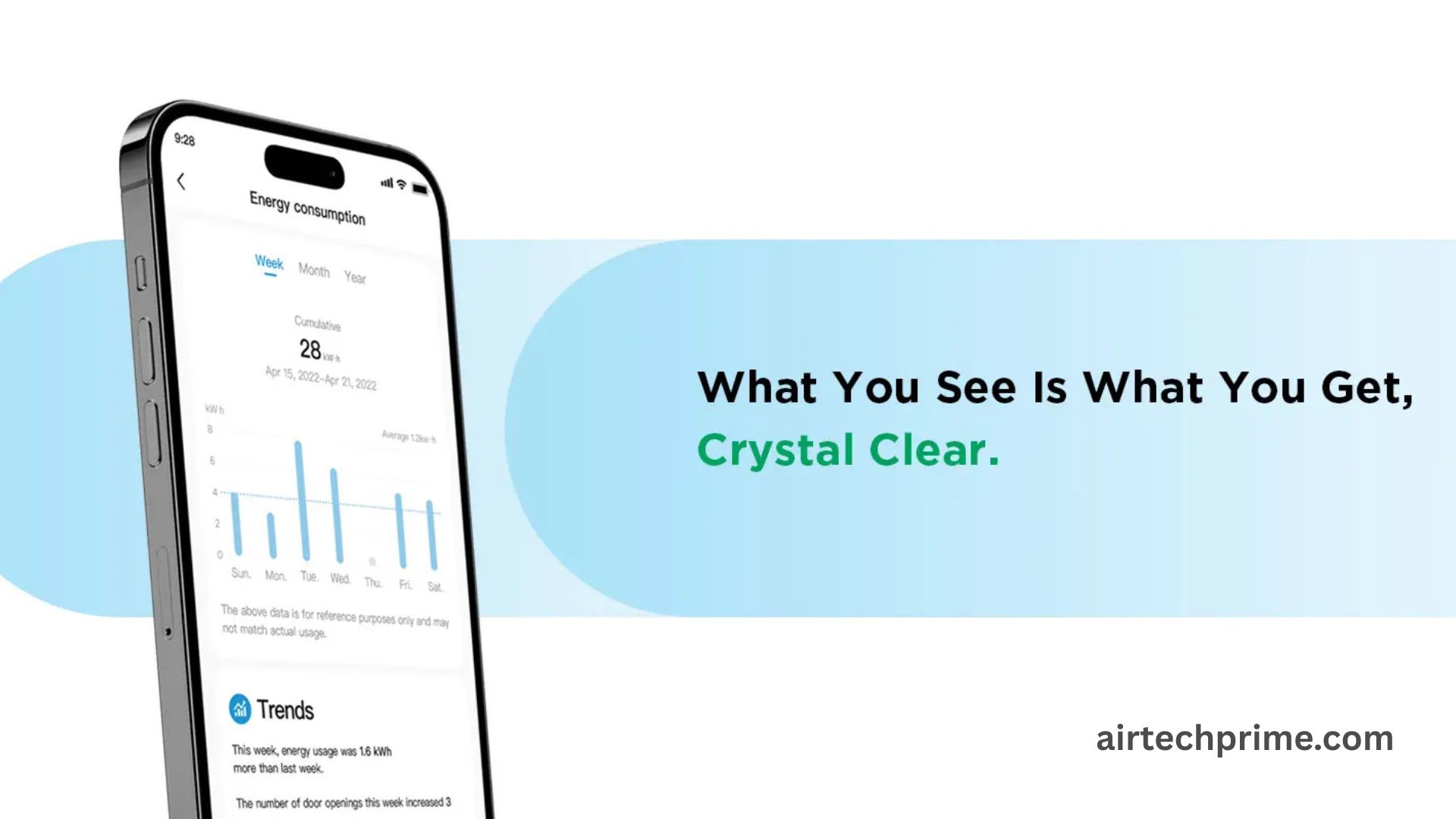
Additionally, energy dashboards within AI smartphone apps provide detailed insights into consumption patterns. These insights help users understand peak usage times and identify opportunities for reducing electricity costs effectively.
How AI Smartphone Integration with AC Systems Reduces Electricity Usage
The integration of AI smartphones with air conditioning systems is fundamentally changing energy consumption behavior in households. These devices use predictive analytics to determine the most efficient cooling settings based on room occupancy and external climate conditions. As a result, unnecessary cooling cycles are reduced significantly.
AI smartphones also enable real-time synchronization with smart AC units, ensuring that cooling is only activated when required. This prevents continuous operation and reduces strain on electrical systems, ultimately lowering monthly bills. The automation ensures that energy is used only when it adds real value to comfort levels.
- Occupancy-based cooling control
- Predictive temperature optimization
- Smart shut-off features during inactivity
Furthermore, AI-driven systems analyze historical usage data to suggest better cooling schedules. For example, if a user consistently lowers temperature at night, the system will automatically adjust settings without manual input. This reduces both effort and energy consumption.
The communication between AI smartphones and AC units is often supported through IoT frameworks, ensuring smooth data exchange. This connectivity allows instant adjustments, making energy optimization highly responsive and efficient in real-world conditions.
Hidden Remote Features and AI Learning Patterns for Cooling Efficiency
Modern AC systems connected to AI smartphones come with advanced remote features that are often underutilized by users. These include eco-mode activation, sleep mode scheduling, and adaptive fan control. When properly used, these features can significantly reduce electricity consumption.
AI smartphones enhance these functionalities by learning user preferences over time. Instead of manually adjusting settings every day, the system builds a behavioral profile and automatically applies the most efficient configurations. This reduces repetitive manual adjustments and ensures consistent energy savings.
- Eco-mode activation for reduced power usage
- Automatic sleep temperature adjustment
- Adaptive fan speed control
AI learning patterns also allow smartphones to detect inefficiencies in cooling cycles. For example, if an AC unit is working harder than necessary to maintain temperature, the system can suggest optimal adjustments or automatically correct the settings. This ensures that energy is not wasted on overcooling.
Over time, these learning systems become more accurate, providing personalized cooling experiences. This not only improves comfort but also ensures that electricity usage remains within efficient limits, especially during peak summer months when consumption typically spikes.
Smart Scheduling and Automation Using AI Smartphone Apps
One of the most powerful features of AI smartphones is smart scheduling for air conditioning systems. Users can predefine cooling schedules based on daily routines, ensuring that AC units operate only when needed. This eliminates unnecessary runtime during empty hours.
Automation also allows AI smartphones to adjust schedules dynamically. If the system detects changes in user behavior, such as arriving home earlier than usual, it modifies cooling settings accordingly. This flexibility ensures both comfort and energy efficiency without manual intervention.
- Daily routine-based scheduling
- Dynamic adjustment based on user presence
- Automatic energy-saving mode activation
AI smartphone apps also provide geofencing capabilities, where AC units automatically turn on or off based on the user’s location. When the user leaves a certain radius, the system shuts down cooling operations to save electricity. This feature is especially useful for reducing standby energy consumption.
Additionally, automation systems reduce the cognitive load on users by handling repetitive tasks. Instead of manually controlling AC settings, users rely on AI systems that continuously optimize performance in the background.
Temperature Optimization Strategies Powered by AI Algorithms
AI smartphones use advanced algorithms to determine the most efficient temperature settings for air conditioning systems. These algorithms analyze multiple variables, including humidity, room size, and external weather conditions, to recommend optimal cooling levels.
This intelligent optimization ensures that rooms are neither overcooled nor undercooled, which helps in maintaining comfort while reducing unnecessary energy usage. Small adjustments in temperature can lead to significant electricity savings over time.
- Humidity-based cooling adjustments
- Energy-efficient temperature balancing
- Seasonal optimization strategies
AI systems also learn how long it takes for a room to reach a desired temperature. Based on this data, they pre-cool spaces efficiently, avoiding extended AC runtime. This reduces electricity waste and improves system performance.
Another important feature is adaptive temperature scaling, where AI smartphones automatically adjust cooling intensity based on real-time conditions. This ensures that energy usage is continuously optimized throughout the day without manual intervention.
Real-Time Monitoring of Electricity Consumption via AI Smartphones
AI smartphones provide real-time energy monitoring tools that help users track electricity usage from their AC systems. These dashboards display detailed breakdowns of consumption patterns, allowing users to identify high-usage periods and adjust behavior accordingly.
By visualizing energy consumption, users can make informed decisions about when and how to operate their air conditioners. This transparency plays a major role in promoting energy-saving habits across households.
- Real-time electricity usage tracking
- Daily and monthly consumption reports
- Cost estimation features
In addition, AI smartphones can send alerts when energy usage exceeds predefined limits. This proactive approach ensures that users are constantly aware of their consumption levels and can take corrective actions immediately.
Over time, these insights help users develop better energy habits, leading to consistent reductions in electricity bills without sacrificing comfort.
Future of AI Smartphones in Energy Efficient Smart Homes
The future of AI smartphones in smart home ecosystems is expected to bring even more advanced energy optimization features. With continuous improvements in artificial intelligence, these devices will become more predictive and autonomous in managing home appliances.
Upcoming innovations may include deeper integration with smart grids, allowing AI smartphones to adjust AC usage based on electricity pricing fluctuations. This will enable users to save money by automatically shifting energy consumption to off-peak hours.
- Smart grid energy optimization
- Predictive cooling based on weather forecasting
- Fully autonomous home energy management
AI smartphones will also likely integrate with renewable energy systems such as solar panels. This will allow air conditioning systems to operate more efficiently using clean energy sources, further reducing electricity costs.
As technology evolves, AI smartphones will become central to fully automated smart homes where energy efficiency is continuously optimized without human intervention.
Read More: AI Smartphone Tips for Nothing Phone 4a Pro
Frequently Asked Questions
How does an AI smartphone help reduce AC electricity bills?
It automates temperature control and optimizes cooling patterns based on usage habits and weather conditions.
Can AI smartphones work with all AC units?
They mainly work with smart or IoT-enabled AC systems that support mobile connectivity.
Does smart scheduling really save energy?
Yes, it ensures AC runs only when needed, reducing unnecessary electricity usage.
Are AI smartphone AC controls difficult to set up?
No, most apps offer simple setup processes with step-by-step instructions.
Do AI systems learn user habits over time?
Yes, they use machine learning to adjust cooling based on behavior patterns.
Can AI smartphones detect energy waste?
Yes, they analyze usage patterns and highlight inefficiencies in real time.
Is geofencing useful for saving electricity?
Yes, it automatically turns AC off when the user leaves a designated area.
Will AI smartphones replace manual AC control completely?
Not fully, but they significantly reduce the need for manual adjustments.
Conclusion:
The rise of AI Smartphone technology is reshaping how households manage air conditioning systems and electricity consumption. By combining automation, predictive analytics, and real-time monitoring, these devices offer a powerful solution for reducing energy waste. As smart homes continue to evolve, AI-driven smartphones will play an even greater role in optimizing comfort while ensuring long-term cost savings on electricity bills.
