

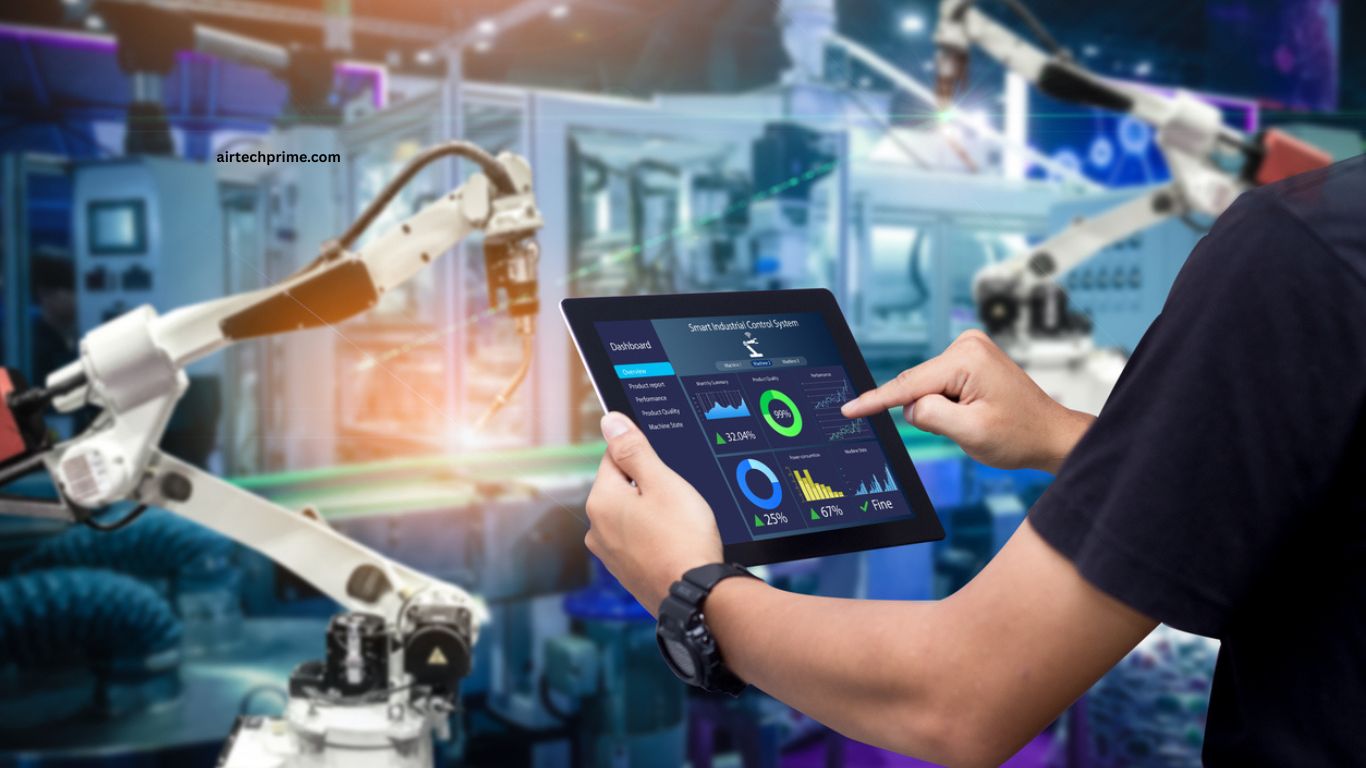
Automation has become one of the most influential forces shaping modern industries. From manufacturing and healthcare to finance, retail, logistics, and technology, automated systems are changing how businesses operate, serve customers, and manage resources. Artificial intelligence, robotics, machine learning, and advanced software now handle tasks that once required significant human effort.
This transformation helps organizations improve efficiency, reduce operational costs, increase accuracy, and respond faster to changing market demands. As automation continues to evolve, businesses that understand and adopt these technologies can build stronger, more flexible, and competitive operations.
Read More: Essential Technology Skills for Career Growth
The Growing Role of Automation in Modern Business
Automation refers to the use of technology to perform tasks with minimal human intervention. Traditional automation focused mainly on repetitive physical activities, while modern automation combines artificial intelligence, data analytics, robotics, and intelligent software. This evolution allows automated systems to perform increasingly complex tasks, analyze information, identify patterns, and support business decisions.
Businesses across different sectors are adopting automation because it can improve productivity while reducing unnecessary manual work. Employees can spend more time on creative, strategic, and customer-focused responsibilities while automated systems handle repetitive processes. This combination creates a more efficient working environment and allows companies to achieve better results with available resources.
Automation in Manufacturing
Manufacturing remains one of the industries most strongly influenced by automation. Robotic arms, automated production lines, computer-controlled machinery, and intelligent monitoring systems have transformed factories around the world. These technologies can perform repetitive operations consistently while maintaining precise quality standards.
Modern manufacturing automation also helps companies monitor equipment and production processes in real time. Predictive maintenance systems can analyze machine data and identify potential problems before major failures occur. This approach reduces downtime, improves equipment performance, and supports more reliable production.
Smart factories represent the next stage of industrial automation. Connected machines, sensors, artificial intelligence, and cloud platforms can work together to create production environments capable of responding quickly to operational changes.
Automation Is Transforming Healthcare
Healthcare is another sector experiencing rapid technological transformation. Automated systems are helping hospitals, clinics, laboratories, and pharmaceutical companies manage administrative and operational tasks more efficiently.
Artificial intelligence can assist with medical image analysis, patient data processing, appointment management, and research activities. Robotic technologies are also being used in certain surgical procedures and laboratory environments, supporting greater precision and consistency.
Automation does not simply replace human involvement in healthcare. Instead, it can reduce administrative workloads and provide professionals with faster access to useful information. Doctors, nurses, and other healthcare workers can then focus more attention on patient care and complex decisions.
Automation in Finance and Banking
The financial industry has adopted automation extensively because it handles enormous amounts of data and repetitive transactions. Banks and financial institutions use automated systems for transaction processing, fraud detection, customer support, risk analysis, and compliance activities.
Artificial intelligence can identify unusual transaction patterns and alert financial organizations to potential fraud. Automated customer service systems can also answer common questions and provide support around the clock.
Financial automation improves speed while reducing errors associated with manual data entry and repetitive processes. As financial technology continues advancing, intelligent automation is expected to become even more important for banks and financial service providers.
Retail and E-Commerce Are Becoming More Automated
Retail businesses are using automation to improve both customer experiences and internal operations. Automated inventory systems can monitor stock levels, identify popular products, and support faster replenishment. E-commerce platforms use intelligent algorithms to personalize product recommendations based on customer behavior and preferences.
Warehouses are also becoming increasingly automated. Robots and automated sorting systems can move products, organize inventory, and prepare orders for delivery. This allows retailers to process larger order volumes while maintaining faster fulfillment.
Customer service automation is another growing trend. AI-powered chat systems can respond to common customer questions instantly, helping businesses provide support without placing every request on a human representative.
Automation Is Reshaping Logistics and Transportation
The logistics industry depends heavily on speed, accuracy, and coordination, making it a natural environment for automation. Automated warehouses, route optimization software, tracking systems, and intelligent supply chain platforms are helping companies improve delivery operations.
Automation can analyze traffic conditions, delivery schedules, inventory information, and customer demand to support better planning. Businesses can reduce unnecessary delays while improving the movement of goods from suppliers to customers.
Autonomous vehicles and delivery technologies are also developing rapidly. Although widespread adoption still depends on infrastructure, regulation, and safety requirements, automation could significantly change transportation and last-mile delivery in the coming years.
The Impact of Automation on Employees
Automation often raises concerns about employment because machines and software can perform many repetitive tasks previously handled by workers. However, automation is also creating demand for new skills and job roles.
As routine responsibilities become automated, employees may need stronger digital, analytical, technical, and problem-solving abilities. Businesses increasingly require professionals who can operate automated systems, interpret data, manage technology, and make strategic decisions.
The future workplace is therefore likely to involve greater collaboration between people and technology. Human creativity, communication, judgment, empathy, and leadership remain valuable qualities that automated systems cannot fully replicate.
Automation and Business Productivity
One of the biggest advantages of automation is improved productivity. Automated systems can operate continuously, process large amounts of information quickly, and maintain consistent performance.
Automation can also reduce human errors in repetitive processes. When organizations automate routine workflows, employees can focus on activities that require judgment and innovation. This can improve overall efficiency while creating opportunities for businesses to develop new products, services, and strategies.
Challenges of Adopting Automation
Despite its advantages, automation comes with challenges. Implementing advanced technologies can require significant investment in software, hardware, infrastructure, training, and cybersecurity. Businesses also need to manage employee adaptation carefully. Workers may require training to develop new technical skills and understand changing responsibilities. Poorly planned automation can create operational problems instead of solving them.
Data security represents another major concern. As more business processes become connected through digital systems, organizations must protect sensitive information against cyber threats and unauthorized access. Successful automation therefore requires more than purchasing new technology. Companies need a clear strategy, appropriate infrastructure, skilled employees, and continuous monitoring.
The Future of Automation Across Industries
The future of automation will likely involve deeper integration between artificial intelligence, robotics, cloud computing, machine learning, and data analytics. Intelligent systems will become better at understanding information, predicting outcomes, and supporting complex workflows.
Businesses may increasingly operate with interconnected automated systems capable of communicating across departments. Manufacturing, logistics, customer service, finance, and marketing could become more closely integrated through intelligent platforms.
Automation will not affect every industry in the same way, but its influence will continue expanding. Organizations that invest in digital transformation and employee development can position themselves for long-term growth in an increasingly technology-driven economy.
Frequently Asked Questions
What is automation?
Automation uses technology, software, or machines to perform tasks with minimal human involvement.
How is automation changing industries?
Automation improves productivity, reduces repetitive work, increases accuracy, and helps businesses operate more efficiently.
Which industries use automation?
Manufacturing, healthcare, finance, retail, logistics, transportation, and technology widely use automation.
Does automation replace human workers?
Automation can replace some repetitive tasks, but it also creates new roles requiring technical, creative, and analytical skills.
What are the main benefits of automation?
Major benefits include faster operations, lower costs, consistent quality, fewer errors, and improved productivity.
What is the future of automation?
Automation will increasingly combine artificial intelligence, robotics, machine learning, and data analytics across different industries.
Conclusion
Automation is reshaping industries by improving productivity, reducing repetitive work, increasing accuracy, and enabling faster business operations. Manufacturing, healthcare, finance, retail, logistics, and many other sectors are already experiencing significant changes through intelligent technologies. While automation creates challenges involving investment, cybersecurity, and workforce development, it also creates new opportunities for innovation and growth.
