

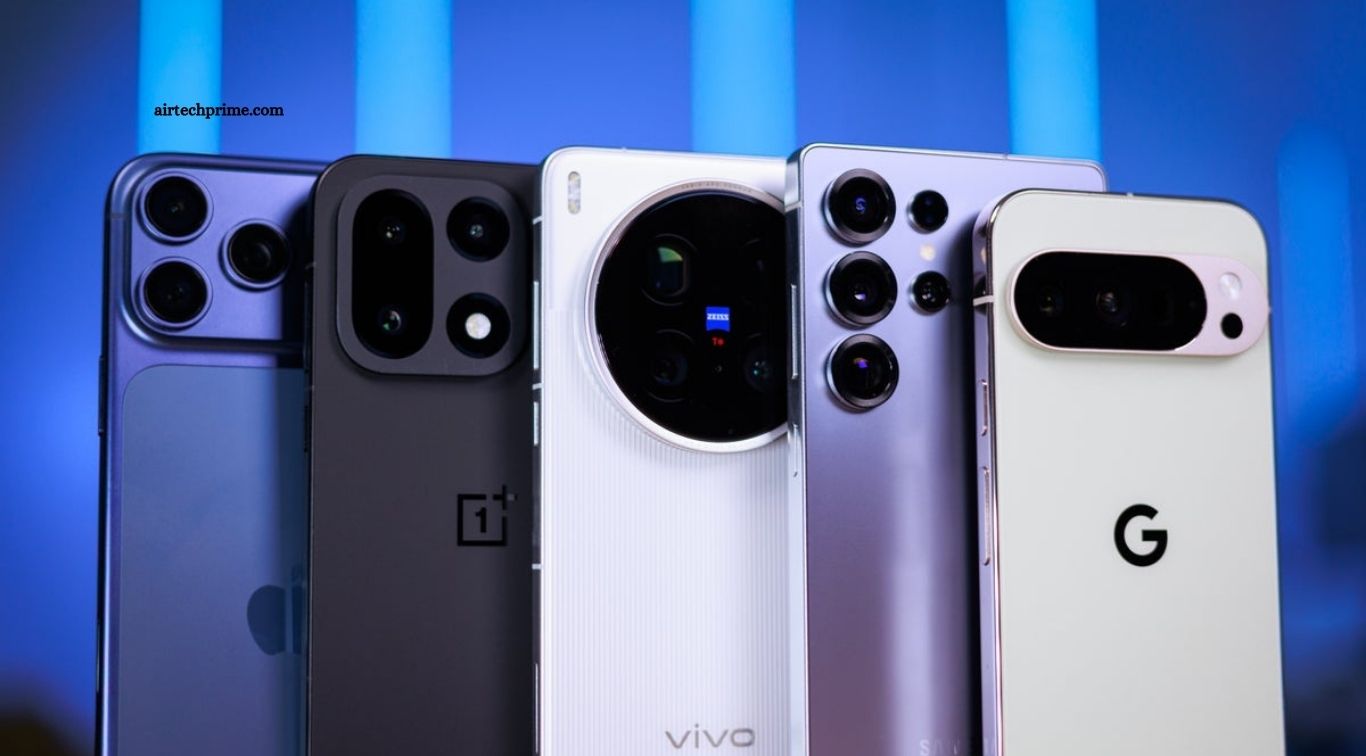
Smartphone cameras have become powerful enough to replace many dedicated cameras for everyday photography. Modern phones offer high-resolution sensors, advanced image processing, optical zoom, night photography, portrait modes, and AI-powered enhancements. However, choosing the best smartphone camera is not only about megapixel numbers.
A proper smartphone camera comparison should consider image quality, low-light performance, video recording, zoom, portrait photography, autofocus, color accuracy, and overall consistency. This guide explains the most important camera features and helps users understand which smartphone camera performs best for different photography needs.
Read More: Best Gaming Gadgets for an Enhanced Experience
What Makes a Smartphone Camera Good?
A good smartphone camera combines strong hardware with intelligent software. The camera sensor captures light, while the image-processing system improves details, colors, dynamic range, and exposure.
Important factors include sensor size, lens quality, optical image stabilization, autofocus speed, computational photography, and video capabilities. A phone with fewer megapixels can sometimes produce better photos than a phone with a higher megapixel count because sensor quality and image processing have a major impact.
Main Camera Performance
The main camera is usually the most important camera on a smartphone. It handles everyday photos, landscapes, street photography, food photography, and many portrait shots.
A strong main camera should produce sharp images with natural colors and balanced exposure. Larger sensors generally capture more light, helping create better details and cleaner images, especially in difficult lighting conditions.
Premium smartphones usually provide excellent main-camera performance because manufacturers combine high-quality sensors with advanced computational photography.
Low-Light Photography
Low-light performance separates an average smartphone camera from a premium camera system. Night photography requires a camera capable of collecting sufficient light while controlling noise and maintaining details. Optical image stabilization can reduce blur caused by hand movement, while Night Mode uses multiple frames to create a brighter and cleaner image.
The best smartphone cameras usually maintain good shadow details, realistic highlights, and natural colors during nighttime photography. Extremely bright images are not always better because excessive processing can make photos look artificial.
Zoom Quality
Zoom performance is another important part of a smartphone camera comparison. Digital zoom simply enlarges an image, which can reduce detail. Optical zoom uses a dedicated telephoto lens to capture distant subjects with better clarity.
Flagship smartphones commonly offer telephoto cameras with different zoom levels. Some models focus on moderate optical zoom for portraits and everyday use, while others provide long-range zoom for travel, wildlife, and distant subjects.
For users who frequently photograph faraway objects, a smartphone with a dedicated telephoto camera can provide a major advantage.
Portrait Photography
Portrait mode has become a standard smartphone camera feature. It separates the subject from the background and creates a soft background blur similar to the effect produced by a dedicated camera.
The best portrait cameras accurately detect hair, glasses, clothing, and other fine edges. Natural skin tones also matter. Excessive skin smoothing can make portraits appear artificial.
Telephoto lenses can provide a more natural perspective for portraits, making them especially useful for professional-looking people photography.
Video Recording Performance
Smartphone cameras are now widely used for YouTube videos, social media content, travel videos, and short-form content.
A strong smartphone camera should offer:
- High-resolution video recording
- Stable footage
- Fast autofocus
- Good microphone performance
- Effective HDR
- Smooth frame rates
- Reliable exposure control
Optical and electronic stabilization help reduce unwanted camera movement. Premium smartphones often perform particularly well when switching between lenses during video recording.
Front Camera Quality
The front camera matters for selfies, video calls, social media posts, and content creation. Resolution is useful, but image processing, skin tones, dynamic range, and autofocus can matter more.
A high-quality front camera should preserve facial details without excessive sharpening or skin smoothing. Autofocus can also improve selfie quality because it keeps the face sharp at different distances.
Color Accuracy and Image Processing
Modern smartphone photography depends heavily on computational photography. Software can combine multiple exposures and frames to improve dynamic range, brightness, shadows, and details.
However, different brands have different image-processing styles. Some smartphones produce vibrant colors, while others aim for a more natural appearance.
For photography enthusiasts, natural colors and consistent exposure can be more valuable than highly saturated images.
Smartphone Camera Comparison: What Should You Check?
| Camera Feature | Why It Matters |
|---|---|
| Main Sensor | Determines everyday image quality |
| Sensor Size | Helps capture more light |
| Megapixels | Provides image resolution |
| Optical Stabilization | Reduces blur and camera shake |
| Telephoto Lens | Improves optical zoom |
| Ultra-Wide Camera | Captures wider scenes |
| Night Mode | Improves low-light images |
| Autofocus | Keeps subjects sharp |
| Video Stabilization | Creates smoother footage |
| Image Processing | Controls colors, details, and exposure |
Which Smartphone Camera Performs Best?
- There is no single camera that is perfect for every user. The best smartphone camera depends on photography habits and personal priorities.
- For everyday photography, a phone with an excellent main sensor and reliable image processing is usually the best choice.
- For night photography, prioritize a larger sensor, optical stabilization, and advanced Night Mode.
- For zoom photography, choose a smartphone with a dedicated telephoto camera.
- For video creation, look for strong stabilization, reliable autofocus, high-resolution recording, and consistent quality across different lenses.
- For selfies and social media, prioritize natural skin tones, sharp facial details, and strong front-camera processing.
Why Megapixels Are Not Everything
Megapixel numbers are frequently used as a marketing feature, but they do not tell the complete story.
A 200MP camera does not automatically produce better photos than a 50MP camera. Sensor size, pixel technology, lens quality, stabilization, and image-processing algorithms all influence final image quality.
For this reason, users should evaluate complete camera systems rather than selecting a smartphone based only on megapixel specifications.
AI Features in Smartphone Cameras
Artificial intelligence has become an important part of modern smartphone photography. AI-powered features can recognize scenes, optimize exposure, improve portraits, remove unwanted objects, and enhance low-light images.
These features can make photography easier for beginners while providing additional editing options for experienced users.
Still, AI processing should support a photograph rather than completely change its natural appearance. Balanced processing generally produces more realistic results.
Best Smartphone Camera for Different Users
Different users need different camera features. Travelers may prefer excellent zoom and ultra-wide photography. Content creators may prioritize video stabilization and microphone quality. Social media users may prefer strong portrait and selfie performance.
Photography enthusiasts should focus on sensor quality, manual controls, RAW support, optical zoom, and consistent image processing.
Casual users can choose a smartphone with a reliable main camera, good battery life, and simple automatic shooting modes.
Tips for Choosing the Best Smartphone Camera
Before buying a camera-focused smartphone, consider your real photography needs. Check camera samples captured in daylight, indoor environments, nighttime conditions, and portrait scenarios.
Also compare video quality, stabilization, zoom performance, autofocus, and lens consistency. Reviews and real-world camera tests can provide more useful information than specification sheets alone.
Most importantly, consider whether the camera produces the type of images you personally prefer. Natural colors, vibrant images, strong contrast, or detailed night photos can all appeal to different users.
Conclusion
A proper smartphone camera comparison should look beyond megapixels and focus on complete camera performance. Sensor quality, optical stabilization, zoom capabilities, low-light performance, autofocus, video recording, and image processing all influence the final result. The best smartphone camera is ultimately the one that matches your photography style. Whether you capture everyday moments, portraits, travel scenes,

1 Comment
Pingback: Best Power Banks for Fast Charging - AirTechPrime