

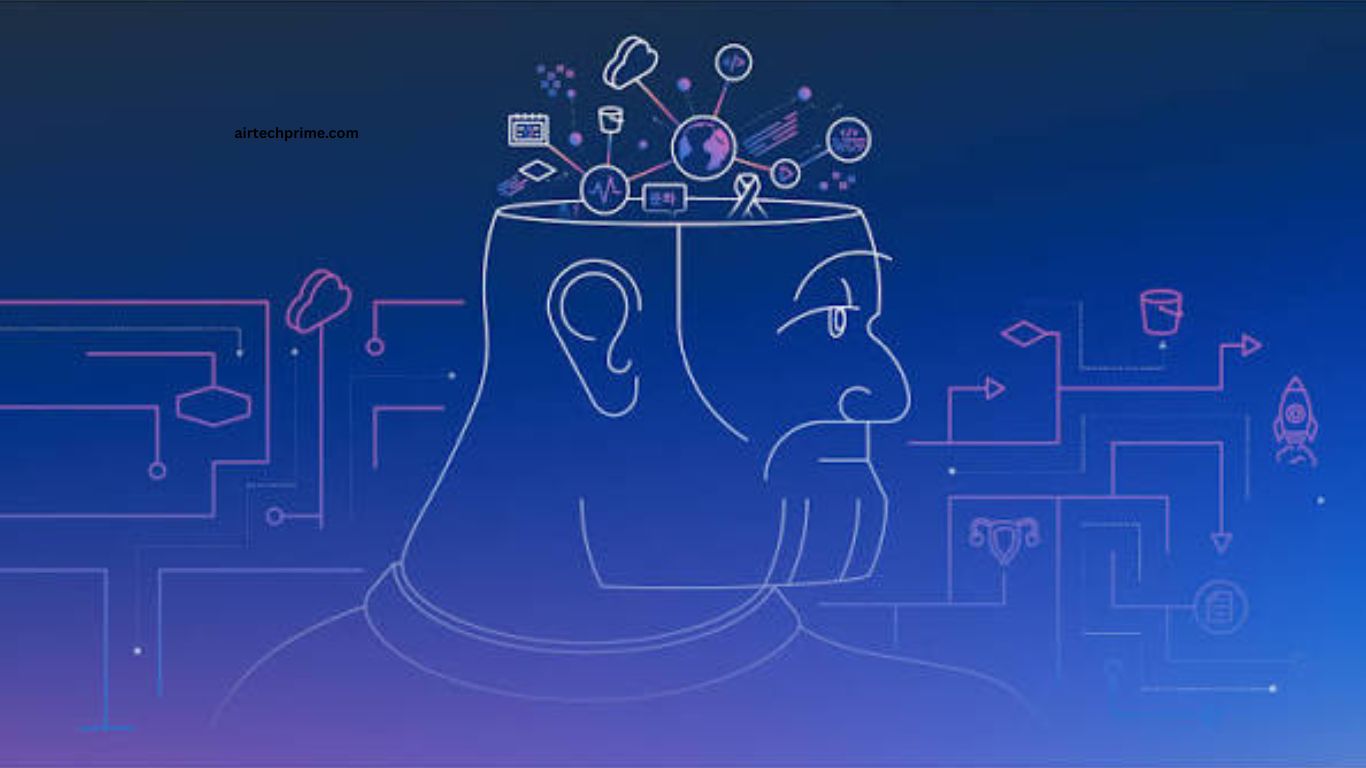
Technology continues to evolve at an incredible pace, transforming industries, businesses, and daily life. Every breakthrough creates opportunities while introducing fresh challenges for developers, companies, and consumers. From artificial intelligence to next-generation connectivity, innovation is shaping a future where smarter systems, faster communication, and sustainable solutions become part of everyday experiences.
Understanding these technology predictions helps enthusiasts stay informed, prepare for future trends, and recognize opportunities before they become mainstream. Keeping an eye on emerging developments provides valuable insight into how technology will influence work, education, entertainment, healthcare, and digital lifestyles over the coming years.
Read More: How 5G Is Revolutionizing Global Connectivity
Artificial Intelligence Will Become More Practical
Artificial intelligence is no longer limited to research laboratories or large technology companies. It is becoming a practical tool for businesses, creators, students, and professionals across every industry. AI-powered assistants, automation platforms, and intelligent software continue improving productivity while reducing repetitive tasks.
Future AI systems will become more personalized and capable of understanding user preferences with greater accuracy. Businesses will increasingly rely on predictive analytics, intelligent customer support, and automated decision-making to improve efficiency. Technology enthusiasts should expect AI to become an essential companion rather than just another software feature.
Edge Computing Will Expand Across Industries
Cloud computing transformed digital infrastructure, but edge computing is becoming equally important. Processing information closer to devices reduces latency and improves real-time performance. This advancement benefits autonomous vehicles, industrial automation, smart cities, healthcare monitoring, and connected devices.
As connected technology continues expanding, organizations will invest heavily in distributed computing environments. Faster processing, enhanced security, and reduced network congestion will make edge computing a major technology trend for years ahead.
Quantum Computing Will Continue Progress
Quantum computing remains one of the most exciting areas of technological innovation. Although practical applications are still developing, researchers continue achieving important milestones in computational performance.
Future improvements may solve highly complex scientific problems that traditional computers cannot efficiently process. Industries including pharmaceuticals, finance, logistics, and cybersecurity may eventually experience revolutionary advancements through quantum technology. Tech enthusiasts should monitor ongoing research because every breakthrough pushes commercial adoption closer.
Cybersecurity Will Become More Intelligent
Digital transformation creates tremendous opportunities while increasing cybersecurity risks. Organizations must defend networks, applications, and sensitive information against increasingly sophisticated threats.
Artificial intelligence will strengthen cybersecurity by detecting suspicious behavior before attacks cause damage. Advanced authentication systems, behavioral analysis, biometric verification, and automated threat response will become common security standards. Privacy protection will remain a major priority as businesses continue collecting and processing larger volumes of digital information.
Extended Reality Will Enter Everyday Life
Virtual reality, augmented reality, and mixed reality are steadily moving beyond gaming and entertainment. Businesses now use immersive technologies for employee training, product design, healthcare simulations, education, and remote collaboration.
Future hardware will become lighter, faster, and more comfortable, encouraging wider consumer adoption. Improved graphics, realistic interactions, and affordable devices will create immersive digital experiences that feel increasingly natural.
Sustainable Technology Will Drive Innovation
Environmental responsibility has become a major focus across the technology industry. Companies are investing in energy-efficient hardware, recyclable materials, renewable energy, and greener manufacturing processes.
Future innovations will emphasize reducing carbon emissions while maintaining high performance. Data centers will consume less energy, electronic devices will become more efficient, and software optimization will help reduce environmental impact. Sustainability will become an important factor influencing technology purchasing decisions.
6G Research Will Shape Future Connectivity
While many regions continue expanding 5G infrastructure, researchers are already exploring sixth-generation wireless technology. Future communication networks aim to deliver dramatically higher speeds, lower latency, and greater reliability.
Advanced connectivity will support smart transportation, intelligent factories, remote healthcare, immersive digital experiences, and billions of connected devices operating simultaneously. Although commercial deployment remains years away, early research indicates remarkable possibilities.
Robotics Will Become More Collaborative
Modern robotics continues evolving beyond industrial manufacturing. Collaborative robots now assist healthcare professionals, warehouse operations, agriculture, hospitality, and logistics companies.
Future robotic systems will safely work alongside humans while handling repetitive, dangerous, or physically demanding tasks. Improved sensors, machine learning, and advanced mobility will allow robots to adapt more effectively to changing environments. This collaboration will improve productivity while allowing people to focus on creative and strategic responsibilities.
Internet of Things Will Connect Everything
Smart devices continue expanding across homes, businesses, transportation, and healthcare. Connected sensors collect valuable information that improves efficiency, convenience, and decision-making.
Future IoT ecosystems will deliver greater interoperability between devices from different manufacturers. Smart homes will become more intelligent, industrial equipment will predict maintenance requirements, and cities will optimize transportation, energy usage, and public services through connected infrastructure.
Personalized Technology Will Improve User Experiences
Technology companies increasingly prioritize personalized experiences that match individual preferences. AI algorithms analyze behavior to recommend products, entertainment, educational content, and productivity tools.
Future software will deliver customized interfaces, adaptive learning systems, personalized healthcare recommendations, and intelligent digital assistants capable of anticipating user needs. Better personalization will improve efficiency while creating more engaging digital experiences.
Digital Health Technology Will Continue Advancing
Healthcare technology continues experiencing rapid transformation through wearable devices, remote monitoring, artificial intelligence, and digital diagnostics. Patients now receive faster access to medical information while healthcare professionals benefit from intelligent decision-support systems.
Future developments may include advanced predictive healthcare, continuous health monitoring, personalized treatment recommendations, and expanded telemedicine services. Technology will continue improving healthcare accessibility, efficiency, and patient outcomes worldwide.
Ethical Technology Development Will Gain Importance
Technology innovation requires responsible development. Companies increasingly recognize the importance of transparency, fairness, accountability, and privacy throughout product development.
Artificial intelligence ethics, responsible data collection, algorithm transparency, and regulatory compliance will become increasingly important. Organizations demonstrating ethical innovation will likely earn stronger customer trust and long-term success.
Future Workforce Will Depend Upon Digital Skills
Technology continues reshaping career opportunities across nearly every profession. Skills involving artificial intelligence, cybersecurity, cloud computing, software engineering, automation, and data analysis will remain highly valuable.
Continuous learning will become essential as technology evolves faster than traditional education models. Professionals who embrace lifelong learning will remain competitive within rapidly changing industries.
Frequently Asked Questions
What are the biggest technology trends to watch?
Artificial intelligence, quantum computing, cybersecurity, robotics, edge computing, and sustainable technology are among the biggest trends shaping the future.
Why is artificial intelligence important?
AI improves automation, productivity, decision-making, and personalized user experiences across many industries.
How will 6G technology improve connectivity?
6G aims to provide faster internet speeds, lower latency, and stronger support for smart devices and advanced digital services.
What role will cybersecurity play in future technology?
Cybersecurity will protect sensitive data, prevent cyber threats, and strengthen digital privacy through advanced security solutions.
Why is sustainable technology becoming more important?
Sustainable technology helps reduce energy consumption, lowers carbon emissions, and supports environmentally friendly innovation.
How can tech enthusiasts stay updated with new technologies?
Following technology news, learning new digital skills, attending industry events, and exploring emerging innovations are effective ways to stay informed.
Conclusion
Technology continues transforming every aspect of modern life through constant innovation and groundbreaking discoveries. Artificial intelligence, quantum computing, cybersecurity, sustainable technology, robotics, edge computing, immersive reality, advanced connectivity, and digital healthcare represent only part of an exciting technological future.
