

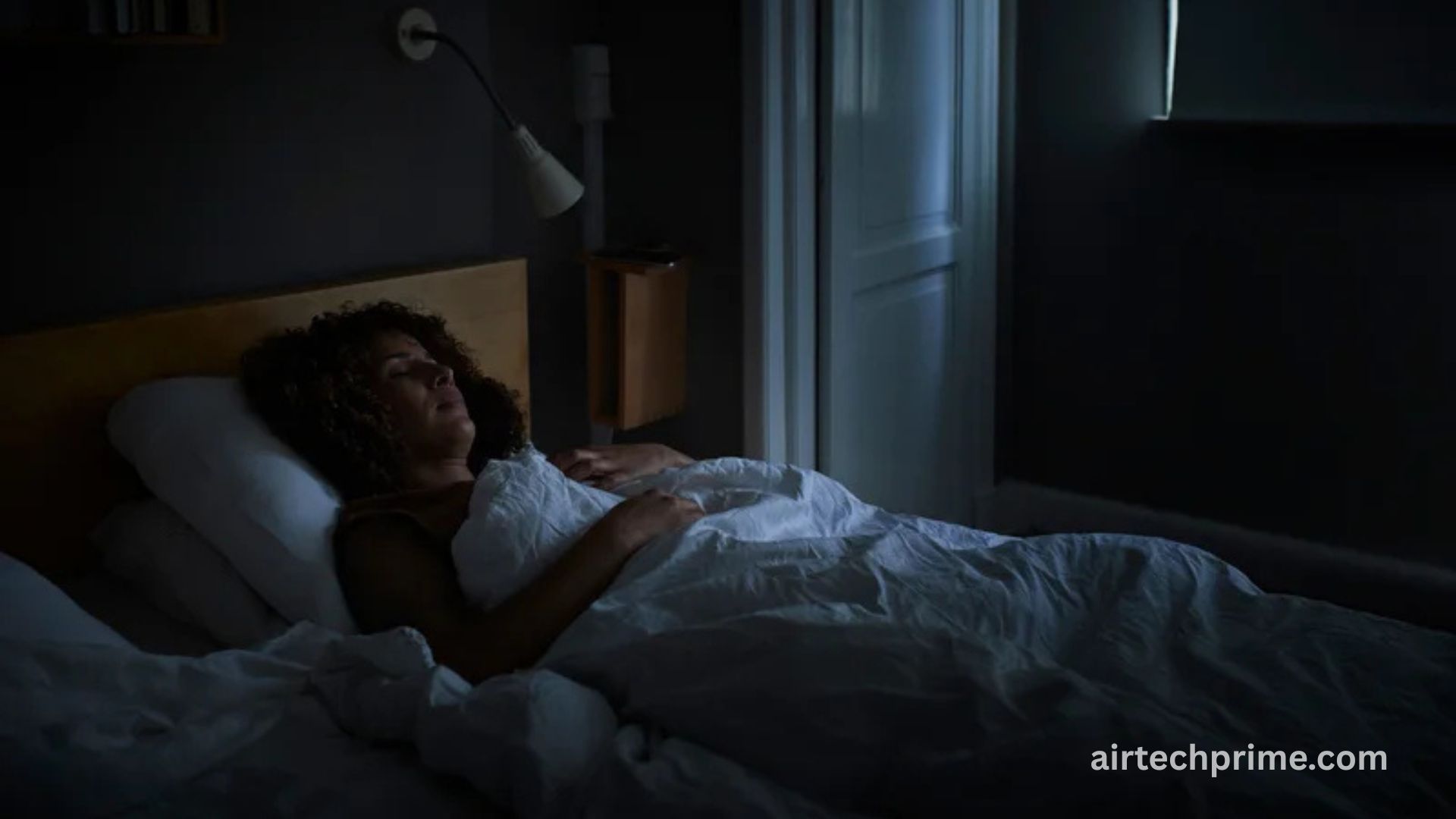
Blue light has long been considered a major disruptor of sleep, with experts warning that exposure from smartphones, laptops, tablets, and LED lighting could negatively affect circadian rhythms. However, recent research suggests that the impact of blue light on sleep may be smaller than previously believed. While excessive exposure at night can influence melatonin production, the overall effect may not be as severe as once thought. This discovery offers reassurance to individuals who rely on digital devices daily for work, study, and entertainment, allowing them to maintain modern lifestyles without undue worry about sleep disruption.
Understanding how blue light affects the body is particularly relevant in 2026, as screen time continues to rise globally. From home offices and classrooms to streaming and gaming, people are exposed to blue light for hours each day. This article explores the latest studies, practical implications, and tips for minimizing sleep disruption while maintaining a technology-driven lifestyle, helping readers balance modern convenience with healthy rest.
What Is Blue Light and How It Affects Sleep
Blue light is a high-energy visible light that is naturally present in sunlight and regulates the body’s circadian rhythm. It signals the brain that it is daytime, helping maintain alertness, mood, and energy levels. Artificial sources of blue light, including smartphones, tablets, computer monitors, and LED lights, have caused concern due to evening exposure when the body expects darkness.
Traditionally, it was believed that blue light from screens could suppress melatonin, delay sleep onset, and reduce overall sleep quality. While this is partially true under certain conditions, emerging research indicates that the overall impact of blue light on sleep may be smaller than previously believed, particularly at the levels encountered during everyday device use at home. This shift challenges older assumptions and highlights the importance of considering additional lifestyle factors.
Recent Studies Challenging Old Assumptions
A 2025 study published in the Journal of Sleep Research analyzed adults using digital devices in the evening. While participants showed minor melatonin suppression, most experienced no significant changes in sleep duration or quality. The study concluded that normal screen use, such as browsing social media or checking emails, is unlikely to disrupt sleep substantially.
Similarly, a 2026 European consortium study examined the effects of evening blue light exposure in various household environments. The findings emphasized that sleep routines, room lighting, and physical activity levels play a larger role in sleep quality than screen exposure alone. This research suggests that previous warnings about blue light were overestimated for most people, although extreme exposure or very bright devices may still have measurable effects.
Understanding the Nuances of Blue Light Exposure
It is essential to distinguish between high-intensity exposure and typical household use. Bright LED lights, direct sunlight, or prolonged use in dark environments can suppress melatonin more than standard device use. On the other hand, evening exposure from personal devices is generally moderate, explaining why the negative impact on sleep is often minimal.
Duration also influences the effect. Short periods of smartphone or tablet use before bed may have little to no impact, whereas prolonged exposure, particularly in a dark room, can slightly delay sleep. Experts now recommend moderation instead of total avoidance, allowing people to maintain their digital habits while protecting sleep quality.
Impact on Circadian Rhythms
Circadian rhythms, the internal biological clocks that regulate sleep-wake cycles, are influenced by multiple factors, including light, temperature, and routine. Blue light exposure does signal the brain that it is daytime, but minor evening exposure from devices rarely causes a significant disruption for most adults. Other factors such as diet, exercise, and stress levels can have a stronger effect on sleep patterns.
Maintaining a consistent bedtime routine, limiting stimulants, and ensuring a calm sleep environment are more effective strategies for preserving circadian rhythm than strictly controlling blue light. This perspective aligns with recent studies, showing that technology use is not the dominant factor in healthy sleep.
Practical Implications for Modern Lifestyles
In 2026, completely avoiding screens in the evening is impractical for most people. Smartphones, tablets, laptops, and TVs are essential for work, communication, education, and entertainment. Understanding that blue light impact on sleep is smaller than previously believed allows individuals to adopt balanced strategies instead of drastic measures.
Practical approaches include dimming screens, using night mode, or wearing blue light filtering glasses. These measures can reduce minor disruptions while still enabling full participation in daily activities. Combined with good sleep hygiene practices, such as a consistent sleep schedule and a comfortable bedroom environment, these strategies support restful sleep without sacrificing modern technology use.
Blue Light and Children’s Sleep
Children have often been considered more sensitive to light exposure, with concerns about evening screen use affecting sleep. Studies conducted in 2025 and 2026 indicate that while excessive screen time can delay sleep onset, the direct effect of blue light is modest. Factors such as bedtime routines, consistency, and pre-sleep activities have a more significant impact on children’s sleep quality than the blue light emitted by devices.
Parents are advised to encourage calm, screen-free activities before bed, such as reading or quiet play. This approach has been shown to be more effective in supporting healthy sleep than attempting to eliminate all sources of blue light entirely.
Technological Solutions to Reduce Sleep Disruption
Technology has also provided tools to mitigate potential sleep disruptions. Night modes and blue light filters on digital devices reduce evening exposure to high-energy light. Smart lighting systems automatically adjust color temperature to warmer tones at night. Wearable devices track sleep patterns and provide personalized recommendations.
While these innovations are helpful, recent research suggests that for most adults, they are not strictly necessary to maintain healthy sleep. Balanced use of technology, combined with proper sleep habits, is often sufficient to preserve sleep quality.
Other Factors Affecting Sleep More Than Blue Light
Sleep quality is influenced by multiple factors that outweigh the minor effects of blue light. Stress and anxiety can significantly disrupt sleep, making relaxation techniques critical. Caffeine and other stimulants consumed late in the day can delay sleep onset. Exercise timing, room temperature, noise levels, and bedding comfort are additional determinants of sleep quality.
Addressing these lifestyle factors typically produces more noticeable improvements in sleep than limiting blue light exposure alone. Incorporating relaxation routines, maintaining consistent sleep schedules, and optimizing the sleep environment are practical ways to achieve restorative sleep.
Expert Opinions
Dr. Laura Bennett, a sleep scientist, notes, “Blue light exposure from screens is less disruptive than we once believed. Most people’s sleep is more influenced by habits and environment than device use.” The National Sleep Foundation’s 2026 report echoes this sentiment, recommending moderation rather than strict avoidance of evening screen exposure.
Experts emphasize that technology use should not be vilified; instead, individuals should focus on overall lifestyle habits, ensuring sufficient physical activity, reduced stress, and a calm bedtime environment.
FAQs (Frequently Asked Questions)
Does blue light from screens really disrupt sleep?
Recent research shows its effect is smaller than once believed, especially at normal home exposure levels.
What is blue light and where does it come from?
Blue light is a high-energy visible light found naturally in sunlight and artificially in screens and LED lights.
Can using blue light filters improve sleep quality?
Yes, they can reduce minor disruptions, but most adults don’t need them for healthy sleep.
Are children more sensitive to blue light than adults?
Children can be slightly more sensitive, but consistent bedtime routines matter more for good sleep.
How does blue light affect melatonin production?
High-intensity exposure can slightly suppress melatonin, but everyday screen use has minimal impact.
Is it necessary to avoid screens before bedtime?
Moderate evening use is generally fine; complete avoidance is not required for most adults.
What lifestyle factors impact sleep more than blue light?
Stress, room environment, diet, and regular sleep schedules have a larger influence on sleep quality.
Do smart lights or night modes make a significant difference?
They can help reduce minor disruptions, but healthy routines and environment are more effective.
Conclusion:
Research indicates that blue light impact on sleep is smaller than previously believed, particularly with typical device use at home. While high-intensity exposure can slightly suppress melatonin, lifestyle habits, routines, and sleep environment are more influential in determining sleep quality. By adopting balanced screen habits, maintaining a consistent sleep schedule, and optimizing the bedroom environment, individuals can enjoy modern technology without compromising rest. These findings offer reassurance for tech users in 2026 seeking practical ways to balance device use with healthy sleep.
