

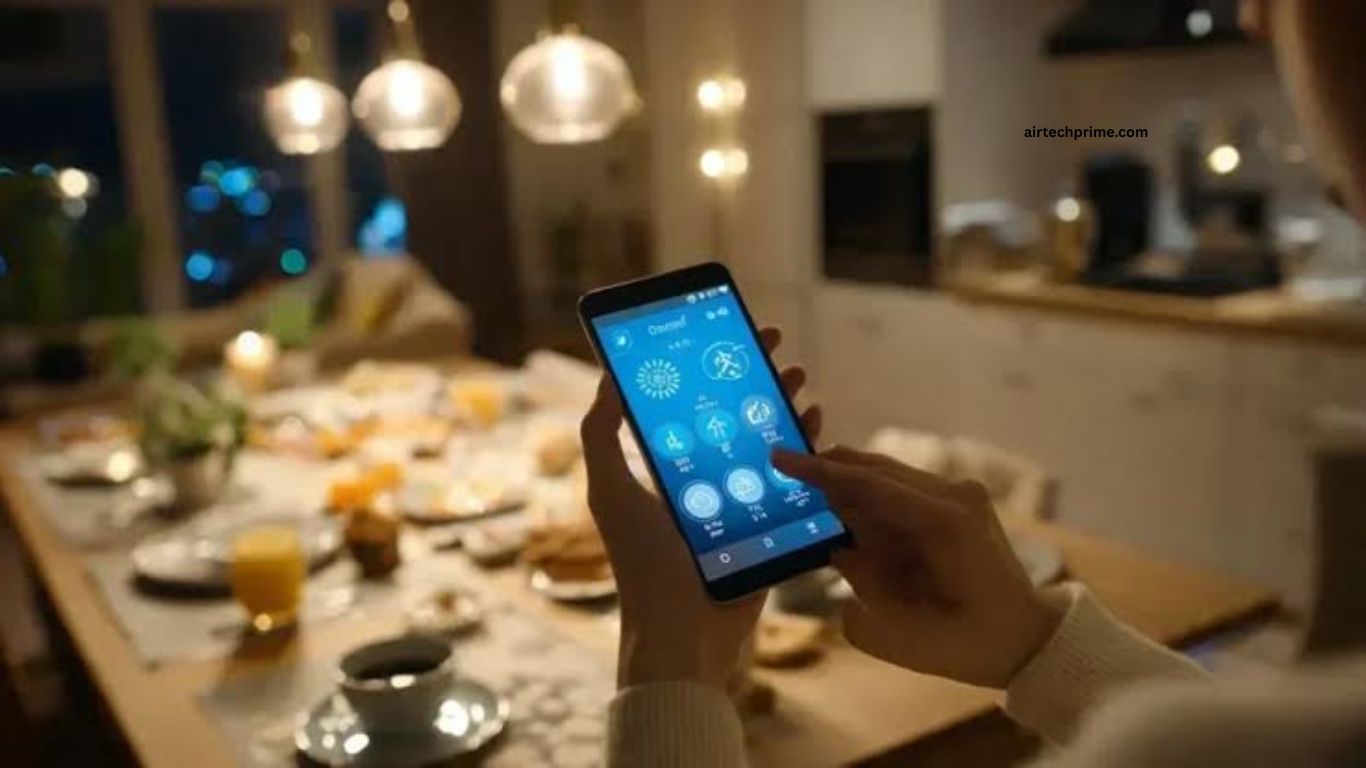
Smart devices have transformed modern life by making everyday activities faster, easier, and more connected. Smartphones, smartwatches, smart TVs, voice assistants, security systems, and connected home appliances now play an important role in daily routines. These technologies combine internet connectivity, artificial intelligence, automation, and advanced sensors to create more convenient experiences.
As smart technology continues to evolve, people are relying on connected devices for communication, entertainment, productivity, health tracking, home management, and personal security. The rise of smart devices represents a major shift toward a more connected and technology-driven lifestyle.
Read More: Best Free Tech Tools for Daily Productivity
What Are Smart Devices?
Smart devices are electronic products capable of connecting to the internet, collecting information, processing data, and responding to user commands. Unlike traditional electronic devices, smart products can often communicate with other devices and adapt to user preferences.
Smartphones remain the most common example of smart technology. However, the smart device ecosystem has expanded far beyond mobile phones. Smart speakers, watches, televisions, cameras, thermostats, refrigerators, lighting systems, and home security products have become increasingly common.
How Smart Devices Are Changing Daily Life
Smart technology has simplified many everyday tasks. People can control lights, appliances, entertainment systems, and security equipment through smartphones or voice commands. This level of automation reduces effort and allows users to manage different aspects of their homes from almost anywhere.
Smart devices also improve communication. Smartphones and wearable devices provide instant access to messages, video calls, social platforms, email, and online services. As internet connectivity becomes faster and more reliable, connected devices are becoming an important part of personal and professional communication.
Smart Devices and Home Automation
Smart home technology has become one of the fastest-growing areas of connected technology. Smart bulbs, thermostats, cameras, doorbells, locks, and appliances allow homeowners to automate household activities.
For example, smart lighting can adjust according to schedules or user commands. Smart thermostats can learn temperature preferences and automatically regulate indoor conditions. Smart security cameras can send notifications when unusual activity is detected.
Home automation can also improve energy efficiency. Connected systems can monitor electricity usage and reduce unnecessary consumption by automatically adjusting appliances and lighting.
The Role of Artificial Intelligence
Artificial intelligence has made smart devices more useful and responsive. AI allows devices to understand commands, recognize patterns, analyze information, and provide personalized experiences.
Voice assistants can answer questions, manage schedules, play music, control smart home equipment, and provide useful information. AI-powered smartphones can improve photography, organize content, translate languages, and assist with everyday tasks.
As artificial intelligence becomes more advanced, smart devices are expected to become increasingly capable of understanding user behavior and responding intelligently.
Smart Devices and Personal Health
Wearable technology has changed the way people monitor personal wellness. Smartwatches and fitness trackers can measure activities such as steps, exercise, heart rate, sleep patterns, and other wellness-related information.
These devices can encourage healthier habits by providing regular feedback and activity reminders. Users can review their progress through mobile applications and set personal goals based on their daily routines.
The growing connection between wearable technology and digital health platforms could make personal wellness tracking even more convenient in the future.
Smart Technology in the Workplace
Smart devices are also changing professional environments. Smartphones, tablets, laptops, smart displays, and connected workplace systems help employees communicate and access information from different locations.
Cloud services combined with smart devices allow users to collaborate on documents, attend virtual meetings, manage projects, and share information remotely. This technology has contributed to more flexible working environments and improved digital collaboration.
Businesses are also using connected devices to monitor equipment, improve productivity, automate repetitive processes, and collect valuable operational data.
Entertainment Becomes More Connected
Entertainment has become more personalized through smart technology. Smart TVs provide access to streaming platforms, online applications, gaming services, and digital content without requiring traditional media equipment.
Smart speakers and wireless audio devices have also changed how people listen to music and podcasts. Users can control entertainment through voice commands or connected applications.
Gaming has experienced a similar transformation. Modern gaming devices connect to online platforms, digital stores, multiplayer services, and cloud-based features, creating more interactive entertainment experiences.
Convenience and Time-Saving Benefits
One of the biggest advantages of smart devices is convenience. Automated functions can reduce the amount of time required for routine tasks.
People can receive reminders, monitor deliveries, control home appliances, check schedules, communicate with others, and access important information through connected devices. These capabilities help users organize their daily lives more efficiently.
Smart technology also provides remote access. A user can check a security camera, adjust home settings, or control an appliance while away from home, depending on the device and available connectivity.
Privacy and Security Challenges
Despite their benefits, smart devices also create important privacy and security concerns. Connected products collect and process different types of information, making data protection increasingly important.
Weak passwords, outdated software, unsecured networks, and poorly protected accounts can increase cybersecurity risks. Users should therefore choose reputable devices, install security updates, use strong passwords, and review privacy settings regularly.
Manufacturers also have an important responsibility to protect user data through secure software, encryption, transparent privacy policies, and regular security updates.
The Future of Smart Devices
The future of smart technology will likely focus on greater automation, improved artificial intelligence, stronger connectivity, and more personalized experiences. Developments in technologies such as 5G, edge computing, AI, and the Internet of Things are expected to support the next generation of connected products.
Smart devices may become more integrated with each other, allowing homes, workplaces, vehicles, and personal technology to communicate more efficiently. Instead of operating as separate products, connected devices could form intelligent ecosystems designed around individual needs.
Frequently Asked Questions
What are smart devices?
Smart devices are internet-connected products that can collect data, process information, and perform tasks automatically or through user commands.
How do smart devices improve everyday life?
They provide convenience by automating tasks, improving communication, managing homes, tracking activities, and providing quick access to information.
What are common examples of smart devices?
Common examples include smartphones, smartwatches, smart TVs, smart speakers, smart cameras, smart lights, and connected home appliances.
Are smart devices secure?
Smart devices can be secure when users apply strong passwords, install updates, use trusted products, and maintain appropriate privacy settings.
How does AI improve smart devices?
AI helps smart devices understand commands, recognize patterns, personalize experiences, analyze information, and automate tasks.
What is the future of smart devices?
The future will likely bring smarter AI, stronger connectivity, greater automation, and better integration between connected devices.
Conclusion
The rise of smart devices has changed the way people communicate, work, relax, manage homes, and monitor personal wellness. Connected technology offers greater convenience, automation, personalization, and accessibility across many areas of everyday life. However, responsible use requires attention to privacy, cybersecurity, and data protection.
